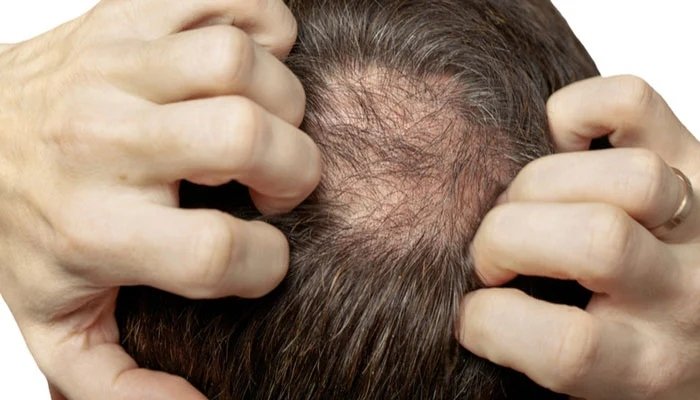
The research, published in JAMA Dermatology, examined the effectiveness of the drug upadacitinib, which is used to treat certain inflammatory diseases, in patients suffering from severe alopecia areata.
Alopecia areata occurs when the immune system mistakenly attacks hair follicles, causing hair to fall out in round patches on the scalp and other parts of the body.
Two international clinical trials found that some patients experienced substantial hair regrowth after taking upadacitinib. The trials included participants from North America, Europe and China who had lost most of the hair on their scalp.
On average, participants had lost about 84% of their scalp hair when they entered the trials.
Patients were divided into three groups. One group received 15 milligrams of upadacitinib daily, another received 30 milligrams daily, while the third group was given a placebo.
Researchers monitored changes in hair growth over a 24-week period. The results indicated that patients receiving the drug experienced significant improvement, with some participants regaining almost all of their lost hair.
Upadacitinib works by blocking immune-system signals involved in inflammation. Researchers believe these signals play a role in triggering the immune attack on hair follicles in people with alopecia areata.
The findings suggest that noticeable hair regrowth may occur within just a few months of treatment.
However, researchers stressed that the results are still preliminary. Further studies are needed to determine how long the restored hair growth lasts and whether the treatment may cause significant side effects.
The researchers described the early findings as encouraging and said further research into the potential treatment would continue.