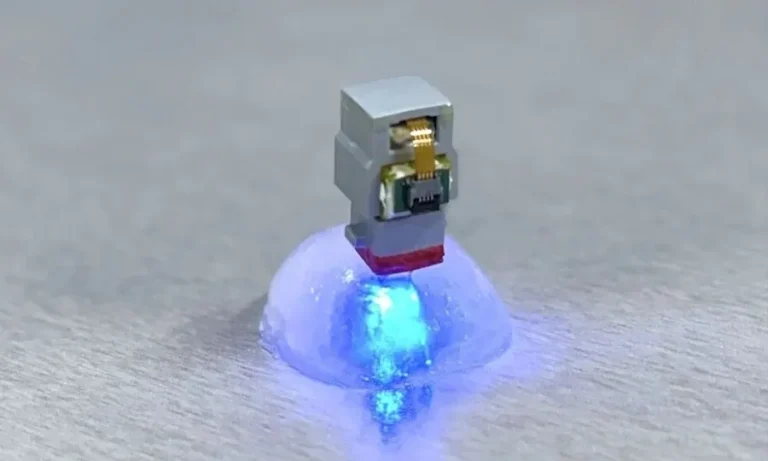
In a groundbreaking experiment, researchers in Chicago, United States, remotely controlled an implant inside a rat’s brain at a laboratory in Daejeon, South Korea, located around 6,584 miles away.
Named “Rapido,” the implant was developed by scientists from KAIST and Yonsei University in South Korea. The device can perform two key functions: delivering small amounts of drugs to targeted areas of the brain and stimulating specific brain cells using a miniature LED light.
Researchers can remotely determine when and how much stimulation or medication is delivered. During experiments, different doses of cocaine were administered to rats through the implant, after which changes in their movement were observed. In another experiment, light stimulation of specific brain regions altered the animals’ learned behaviour.
The researchers repeated the procedures two, three and four weeks after implantation, demonstrating that the device could continue operating repeatedly over an extended period.
Despite the promising results, the technology is still at an early experimental stage and has only been tested on rats. There is currently no evidence that it can treat addiction in humans.
Before any potential human use, researchers will need to conduct extensive studies into the implant’s safety, reliability and long-term effects.
The technology could eventually allow scientists to conduct neurological experiments on animals remotely, reducing the need to handle them repeatedly and potentially limiting the influence of human presence on experimental results.