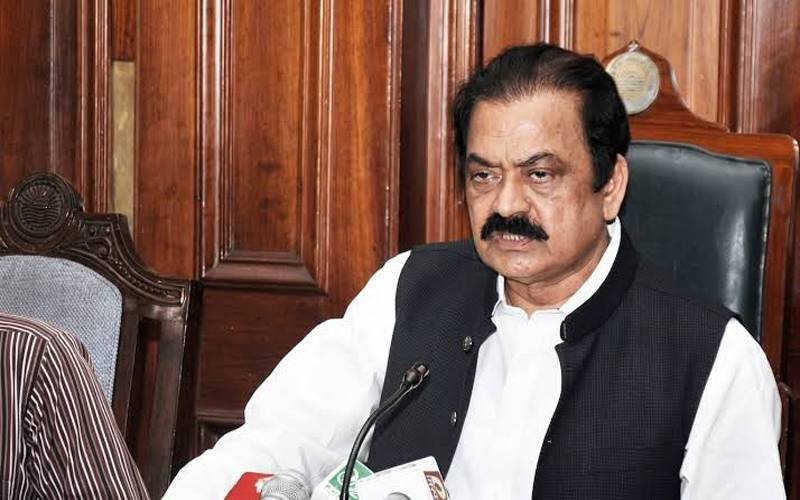
In a statement, Sanaullah said the emergency could continue for at least another year and potentially until 2029. He described maintaining emergency measures until then as a reasonable cost if it helped improve the security situation.
He said the federal team’s successful completion of the responsibilities assigned to it would be a significant achievement.
Commenting on Khyber Pakhtunkhwa’s political leadership, Sanaullah compared Chief Minister Sohail Afridi’s appointment to the earlier selection of Usman Buzdar in Punjab. He also criticised the opposition’s negotiating approach, claiming that people with limited experience were taking direction from Afridi during talks.
Sanaullah further said Jamiat Ulema-e-Islam-Fazl chief Maulana Fazlur Rehman had misunderstood the government’s position. According to Sanaullah, Prime Minister Shehbaz Sharif had made it clear that negotiations could begin only after the proposed long march was called off.
Parliamentary approval for imposing an emergency in Khyber Pakhtunkhwa remains pending. The Senate and National Assembly are scheduled to meet, while parliamentary committee meetings of the Pakistan Muslim League-Nawaz and Pakistan Peoples Party have also been called.
Meanwhile, Khyber Pakhtunkhwa Governor Faisal Karim Kundi said the province’s security policy would be determined by the federal government, not Kabul. He pledged full support for relevant institutions and identified strengthening the police and Counter Terrorism Department (CTD) as a priority.
Kundi also said the government would provide modern facilities to police personnel, bring Khyber Pakhtunkhwa police salaries in line with those in other provinces, and increase compensation packages for the families of police personnel killed in the line of duty.