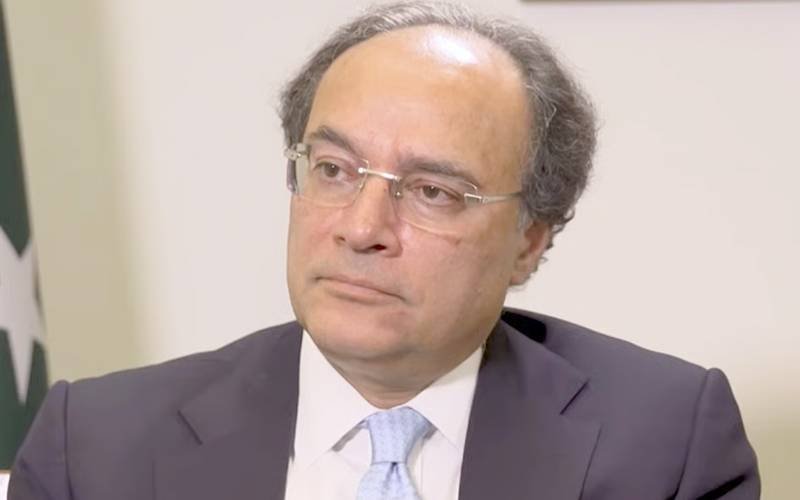
Addressing a session on Pakistan’s long-term economic reform agenda at the Lahore University of Management Sciences (LUMS), Aurangzeb said international conflicts could also affect the prices of essential commodities in global markets.
Despite these challenges, he said Pakistan’s economic progress was continuing and the government was taking steps to stabilise the economy.
Aurangzeb said the government was planning to meet the country’s energy requirements during the coming winter. He added that the supply situation for crude oil and other energy needs remained satisfactory.
The finance minister also said Pakistan’s current International Monetary Fund (IMF) programme was scheduled to conclude in October next year.
He said the government was working to broaden the tax base and increase revenue collection to place the economy on a more sustainable footing.
Aurangzeb added that the government was facilitating investors, noting that investors from the United States and Eastern Europe had also expressed interest in Pakistani bonds.
He identified fluctuations in global energy prices and uncertain international economic conditions as major challenges for Pakistan.
Managing inflation, ensuring sufficient energy supplies and continuing economic reforms will remain key priorities for the government amid these external pressures.