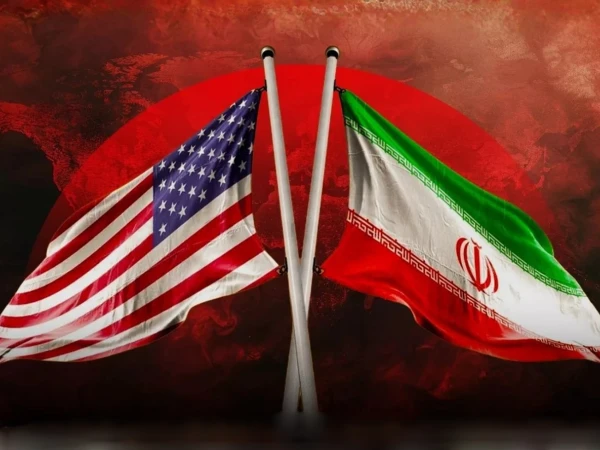
Iranian Foreign Minister Abbas Araqchi said Tehran’s conditions for reopening the strategic waterway remained unchanged and that only a negotiated settlement could break the deadlock.
Iran presented its proposal at the United Nations General Assembly in New York and said it had been conveyed to Washington through Qatari mediators. The plan envisaged a seven-day countdown to reopening the Strait of Hormuz and a pause in regional fighting, followed by broader negotiations on mutually agreed issues.
Trump said on Saturday that he had rejected the proposal, arguing that Iran was seeking an immediate agreement to reopen the waterway because it was under severe pressure.
Araqchi said, however, that mediators had not officially conveyed a US rejection of the proposal to Tehran. He said Iran was waiting for the mediators to communicate Washington’s definitive position before deciding its next steps.
Iranian President Masoud Pezeshkian said Tehran was prepared to negotiate over its nuclear programme and other issues but would not accept what he described as pressure or coercion. He said Iran was not seeking war but would defend itself against threats and attacks.
The dispute over the Strait of Hormuz comes amid a prolonged regional conflict that has disrupted shipping and oil flows through the strategically important waterway, with broader effects on the global economy.--Reuters