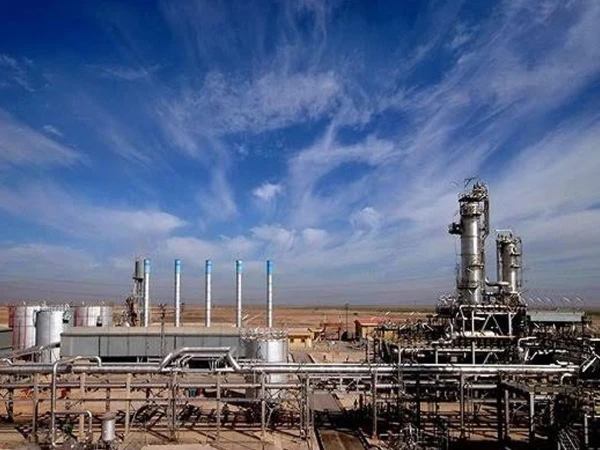
According to Reuters, Brent crude futures gained 27 cents to reach $91.50 per barrel, while US West Texas Intermediate (WTI) crude rose 42 cents to $85.30 per barrel.
Iranian officials said negotiations with the United States over a permanent ceasefire and peace agreement remained stalled. Tehran has indicated that it could adopt a “fully offensive” military position, while Washington has ruled out extending the temporary ceasefire.
The Strait of Hormuz has emerged as a major concern for global energy markets, with tanker and commercial traffic through the strategic waterway severely restricted.
Shipping-tracking data showed that only five commodity vessels passed through the strait toward the end of last week, while no vessel movement was recorded on Sunday.
Analysts have warned that tensions around both the Strait of Hormuz and the Bab el-Mandeb could pose a serious threat to global energy supplies. Yemen’s Houthi group has also claimed attacks on Saudi vessels in the Red Sea.
Meanwhile, Iran is holding talks with Oman over arrangements concerning the Strait of Hormuz. Tehran says an agreement is close, although threats reportedly made by US President Donald Trump toward Oman have raised further concerns over the diplomatic process.
Media reports have also suggested that the Trump administration has initiated back-channel contacts with Iran’s Islamic Revolutionary Guard Corps, raising limited hopes for a possible diplomatic breakthrough.
Investors are also closely watching US crude inventory data. A preliminary Reuters poll indicated that US crude oil and petroleum product inventories were expected to have declined last week, another factor that could influence oil prices in the coming sessions.