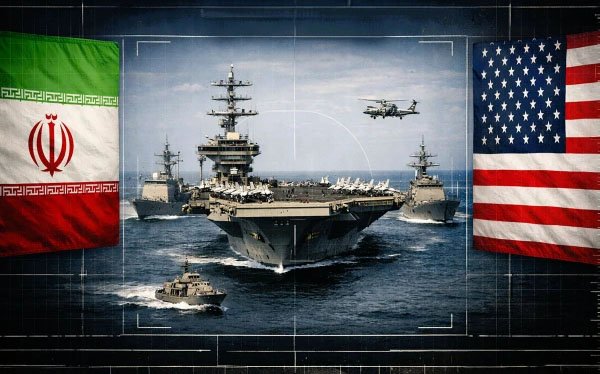
The proposal emerged during the United Nations General Assembly in New York. It directly links the reopening of the strategic waterway to the lifting of the U.S. naval blockade, harsh oil sanctions, and a broader regional ceasefire. Furthermore, the offer seeks an immediate return to stalled negotiations over Iran’s nuclear program.
That specific sequencing exposes the central dispute between Washington and Tehran. Both capitals disagree on which critical issue must happen first. For Iran, easing military and economic pressure must precede wider negotiations. For Washington, the nuclear issue remains central to any lasting diplomatic agreement.
That fundamental disagreement will determine whether the Iran 7-day Hormuz deal becomes a breakthrough or another failed initiative.
What Tehran Offered in the Proposal
Iranian Foreign Minister Abbas Araghchi confirmed that Tehran transmitted a concrete seven-day roadmap through Qatari channels. Under the plan, Iran would fully reopen the Strait of Hormuz and restore normal maritime passage by the seventh day.
Iran tied this ambitious timetable to several key U.S. concessions. Those demands include lifting the naval blockade on Iranian ports and waiving crippling sanctions on Iranian oil sales. Additionally, Tehran seeks the release of roughly $12 billion in frozen international assets.
The proposal also calls for a comprehensive cessation of hostilities across the region. This ceasefire framework extends to active conflict zones in Lebanon and Yemen.
However, the ordering of these steps matters immensely. Tehran wants immediate economic relief before it reopens the strait and begins broader political talks. Washington rejects this exact sequence.
Why Trump Rejected the Proposal
Trump publicly rejected the Iranian proposal on September 26 outside the White House. He argued that Iran is simply seeking a deal because it currently faces severe economic pressure.
The rejection followed several days of indirect Iran-US peace talks in 2026. Qatar actively helped carry messages between the two governments during the UN General Assembly.
Trump Says Iran Will Make a Deal After US Midterm Election
The Trump administration has maintained its maximum pressure campaign through strict sanctions and a naval blockade. Washington insists that the nuclear question cannot be postponed until after maritime security is restored.
This disagreement ultimately centers on leverage. Iran wants sanctions relief before making major concessions. Washington wants Iran to make binding commitments while current pressure tools remain active.
Why the Strait of Hormuz Matters Globally
The Strait of Hormuz connects the Persian Gulf with the Gulf of Oman and the Arabian Sea. It sits directly between Iran and Oman as a vital global energy chokepoint.
The U.S. Energy Information Administration estimated that about 20.9 million barrels per day crossed Hormuz during the first half of 2025. That volume represented roughly one-fifth of global petroleum liquids consumption.
The strait also carried over 20% of global liquefied natural gas trade during that period, with Qatar accounting for a major share. Consequently, the Strait of Hormuz reopening is far more than a regional concern.
Current traffic has plummeted sharply during the conflict. Shipping data indicates that only 17 commodity vessels crossed the strait over a recent weekend compared to a pre-war average of 125 vessels daily.
The Core Dispute Over Sanctions and Leverage
Sanctions are not simply an economic side issue in this conflict. They represent Washington's main tool for pressuring Tehran and one of Iran's strongest demands for any new agreement.
For Tehran, reopening Hormuz without meaningful economic relief would severely weaken its bargaining position. Iran would restore shipping access while receiving little immediate benefit from Washington.
Conversely, lifting sanctions before securing broader concessions would strip Washington of vital leverage. This dynamic creates a difficult trade-off that has repeatedly complicated Iran Trump negotiations.
A viable compromise could involve phased sanctions relief tied to specific maritime and nuclear milestones. However, neither government has publicly accepted such a formula yet.
The Role of Regional Mediators
The diplomacy surrounding Hormuz is not purely bilateral. Qatar has emerged as an indispensable channel between Washington and Tehran.
Oman also maintains its longstanding role in facilitating U.S.-Iran diplomacy. Earlier in September, Iran and Gulf states discussed regional maritime security in talks hosted by Muscat.
Saudi Arabia and other Gulf economies depend heavily on reliable energy exports and stable maritime trade. Meanwhile, the United States is discussing alternative energy infrastructure with Arab partners.
Washington recently proposed a $10 billion regional infrastructure initiative aimed at reducing long-term dependence on Hormuz. However, alternative routes cannot solve an immediate shipping crisis.
What Happens If Diplomacy Fails?
A prolonged diplomatic stalemate threatens global stability on multiple fronts. First, reduced traffic through Hormuz will continue to inflate transportation costs and threaten energy supplies worldwide.
Iran Bombing Could Resume After US Midterm Elections: Trump
Second, oil markets remain hyper-sensitive to diplomatic signals. Prices recently fell about 2% as traders responded to hopes for a possible truce. A renewed military escalation would quickly drive prices back up.
Third, an abandonment of indirect negotiations would leave regional mediators with fewer openings. That outcome would force Middle Eastern governments to prepare for a protracted conflict.
What Comes Next for the Iran War Diplomacy
The diplomatic picture remains highly unsettled. While Trump publicly rejected the seven-day proposal, Tehran notes it has not received a definitive formal response through intermediaries.
The next phase will likely involve another round of indirect Iran war diplomacy. Key questions remain over whether Washington will alter its terms and whether Tehran will accept a different sequencing of talks.
Until both sides resolve their deep sequencing dispute, reopening the waterway remains tied to how the wider conflict ends. For global energy markets, the next message from Washington or Tehran remains far more critical than any seven-day timeline.