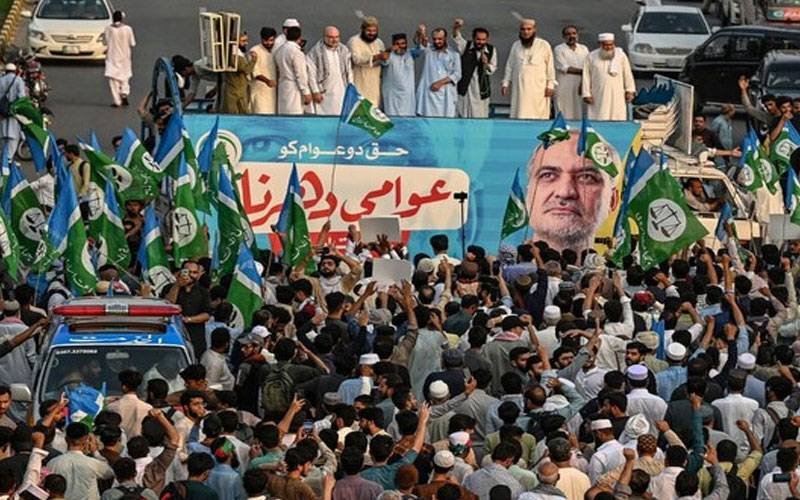
Jamaat-e-Islami chief Hafiz Naeemur Rehman urged traders to close their businesses in protest, describing the petroleum levy as an additional burden on the public.
However, traders remain divided over the strike. Some business groups have backed the protest, calling inflation and rising fuel costs a national issue, while others have opposed it, arguing that prolonged closures could further hurt an already struggling economy.
In Karachi, several markets remained closed while business activity continued normally in other areas. Karachi Traders Alliance chairman Atiq Mir supported the strike and said markets under his organisation would remain closed.
Electronics and mobile market representatives also announced their support, saying the issue affects the public as a whole rather than any single political party.
The Karachi Sindh Traders Alliance has also backed the strike, with some markets deciding to remain closed until 3pm.
Meanwhile, All Pakistan Anjuman-e-Tajiran president Ajmal Baloch opposed the strike and said weakening the economy further would not be appropriate. His organisation announced that its affiliated markets would remain open.
The overall situation varies from city to city, with complete shutdowns reported in some areas while businesses continue operating in others. The final impact of the strike is expected to become clearer after normal market hours.
Traders have urged the government to take effective measures to control inflation, reduce the burden on consumers and provide relief to the business community.