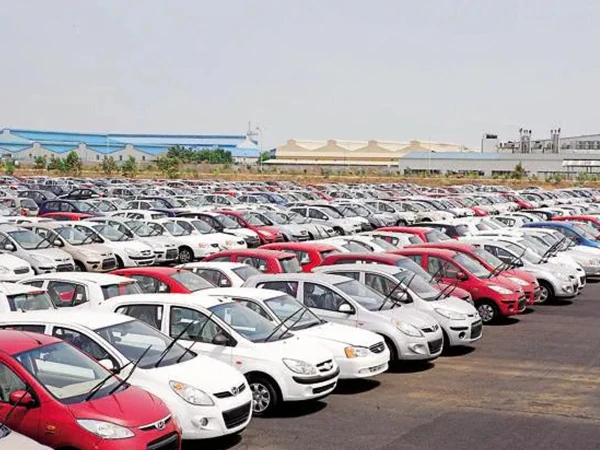
According to the policy, the government has set a target of increasing vehicle exports to six billion US dollars by 2031. Auto parts exports are also expected to reach 1.2 billion dollars by the fiscal year 2030–31.
The new policy includes tax incentives to encourage the use of electric vehicles. Sales tax on battery electric vehicles is set at one percent, while range-extended electric vehicles will face a six percent rate and plug-in hybrid vehicles a nine percent rate, according to the policy document.
The government has also approved proposals to make electric vehicle financing more accessible. The financing limit is expected to increase from three million rupees to ten million rupees, while the maximum loan repayment period will be extended from three years to five years.
Under the policy, import duties on vehicles will be reduced gradually, with a target of bringing tariffs down to 15 percent by 2030–31.
The government also plans to encourage automobile manufacturers to increase exports and local production. Companies that fail to meet their export targets could face penalties, while repeated failures may lead to the cancellation of their manufacturing certificates.
In addition, the policy proposes the establishment of a Pakistan Automotive Testing Institute to improve vehicle safety standards, research, certification and quality control.
The government expects the new policy to strengthen domestic manufacturing, attract investment, improve consumer protection and make electric vehicles more accessible in Pakistan.