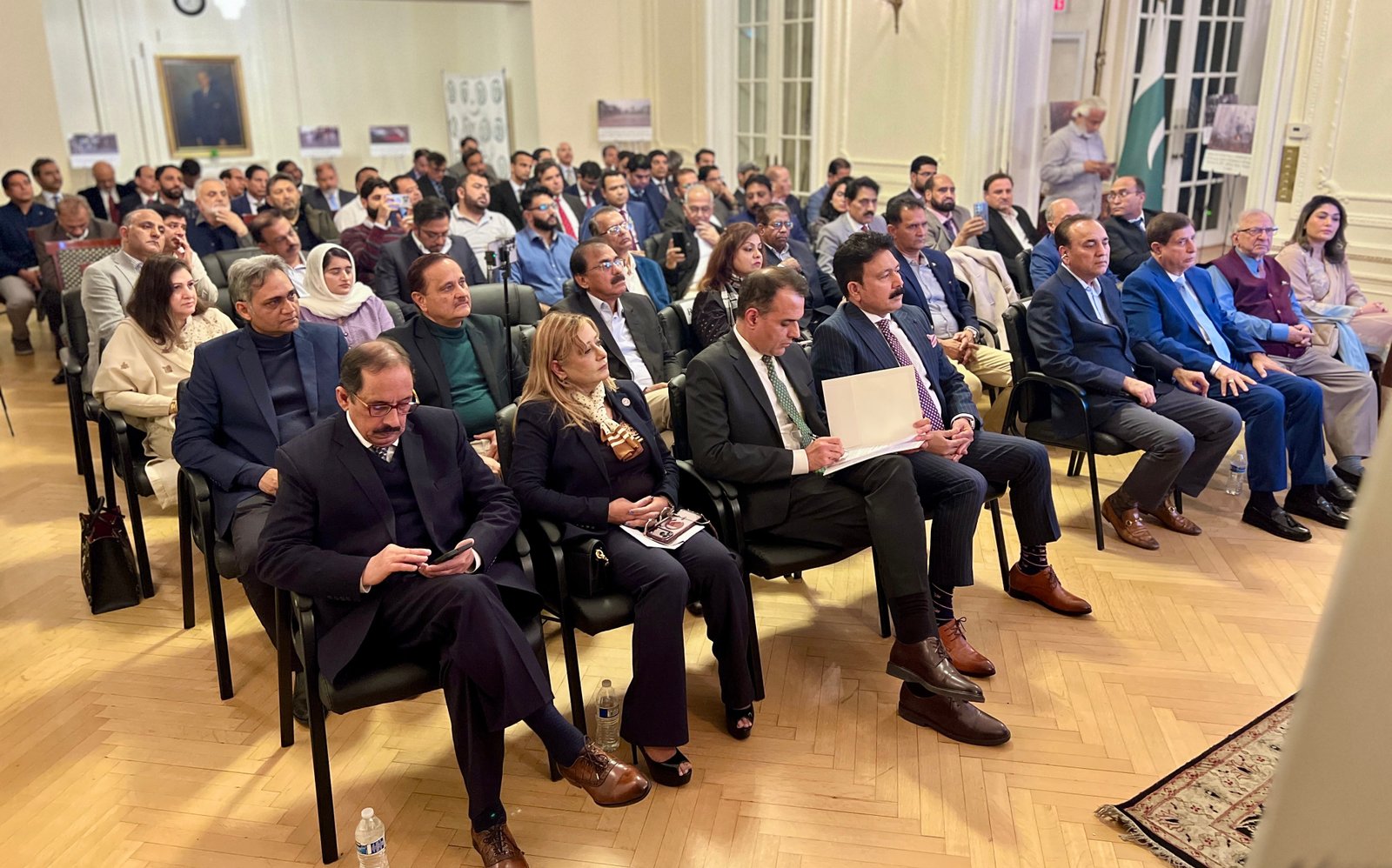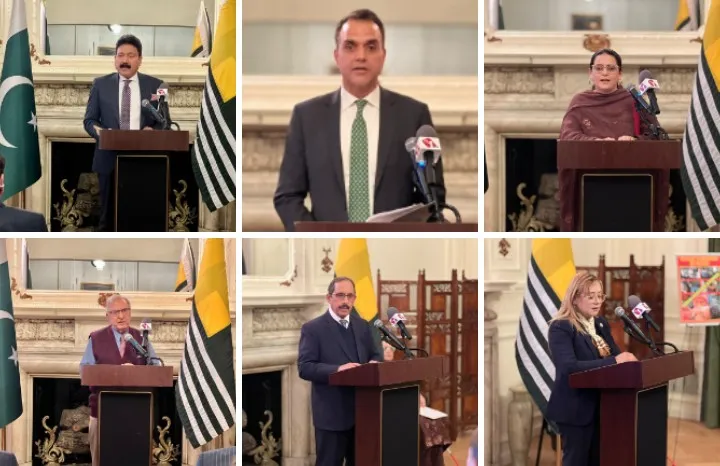
The speakers paid tribute to generations of Kashmiris who have endured decades of conflict and repression. They described their struggle as a fight for justice, human dignity and the right to self-determination.
Held under the theme “Jammu & Kashmir: 79 Years of Occupation, Resistance and Resilience,” the event highlighted the unresolved dispute and the need for renewed international engagement.
The Permanent Mission of Pakistan to the United Nations and the Consulate General of Pakistan in New York jointly organized the commemoration. It brought together Kashmiri leaders, human rights advocates, diplomats, students and members of the Pakistani and Kashmiri diaspora.
Speakers included Ambassador Usman Jadoon, Pakistan’s acting permanent representative to the UN; Consul General Aamer Ahmed Atozai; Dr. Ghulam Nabi Fai, secretary general of the Kashmir Awareness Forum; Ghulam Qadir Shah, president of PML-N in Azad Jammu and Kashmir; Azra Dar, Nassau County human rights commissioner; Farooq Tabassum, former principal secretary to the AJK government; and senior Kashmiri leader Muhammad Taj Khan.
Pakistan Urges UN to Honour Kashmir Commitments
Ambassador Usman Jadoon reaffirmed Pakistan’s political, diplomatic and moral support for the Kashmiri people. He said Oct. 27, 1947, marked a tragic turning point in Jammu and Kashmir’s history and denied its people the right to determine their future.
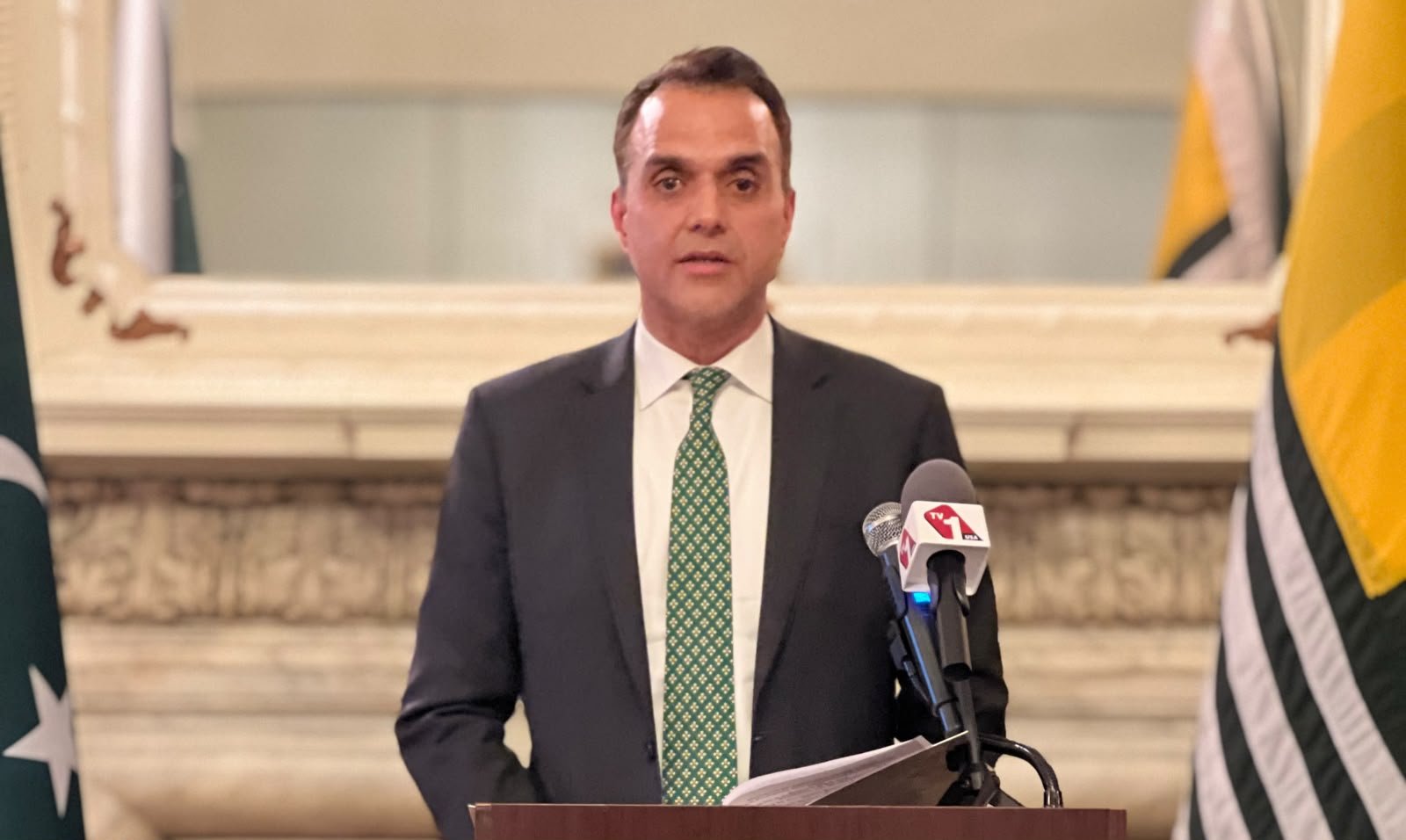
Jadoon also expressed concern over the human rights situation following Aug. 5, 2019. He cited reports of arbitrary detentions, excessive use of force, enforced disappearances and restrictions on fundamental freedoms.
He called for human rights protection, the release of people held arbitrarily and unhindered access for international human rights mechanisms.
Jadoon described Kashmir as a question of justice, human rights and international credibility. He urged the international community to pursue accountability and a peaceful settlement under relevant UN resolutions.
He also stressed the United Nations’ responsibility to uphold its Charter and implement applicable Security Council resolutions. The speakers said these resolutions remain central to a peaceful settlement, including the proposed free and impartial plebiscite to determine the region’s future.
Kashmiri Diaspora Urged to Strengthen Advocacy
Consul General Aamer Ahmed Atozai emphasized sustained community engagement to advance the Kashmir cause. He urged Pakistani and Kashmiri diaspora members to contact US elected representatives, engage the media and work with human rights organizations.
Atozai also encouraged community members to educate younger generations about Kashmir’s history and the Kashmiri people’s struggle. He said unity, consistent advocacy and peaceful engagement were essential to keeping the dispute on the international agenda.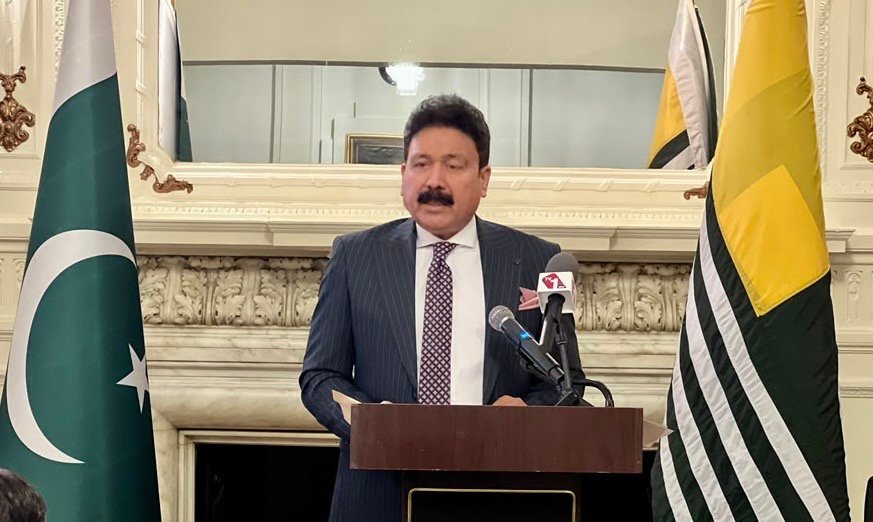
Other speakers echoed calls for a settlement grounded in international law and relevant UN Security Council resolutions. They reaffirmed the Kashmiri people’s right to determine their future through a free and impartial plebiscite.
Ghulam Qadir Shah highlighted what he described as India’s failure to honour its commitments. He also thanked successive Pakistani governments and the Pakistani people for their continued support.
Azra Dar emphasized the resilience of the Kashmiri people and the need to sustain international attention to their rights. Meanwhile, Farooq Tabassum warned of the regional consequences of the unresolved dispute and urged the international community to keep it in focus.
Speakers Call for Renewed International Action
Dr. Ghulam Nabi Fai called for renewed scrutiny of the historical circumstances surrounding the Instrument of Accession. He also urged US President Donald Trump to support efforts toward a just and peaceful settlement.
Fai stressed that any settlement should align with UN resolutions and the aspirations of the Kashmiri people.
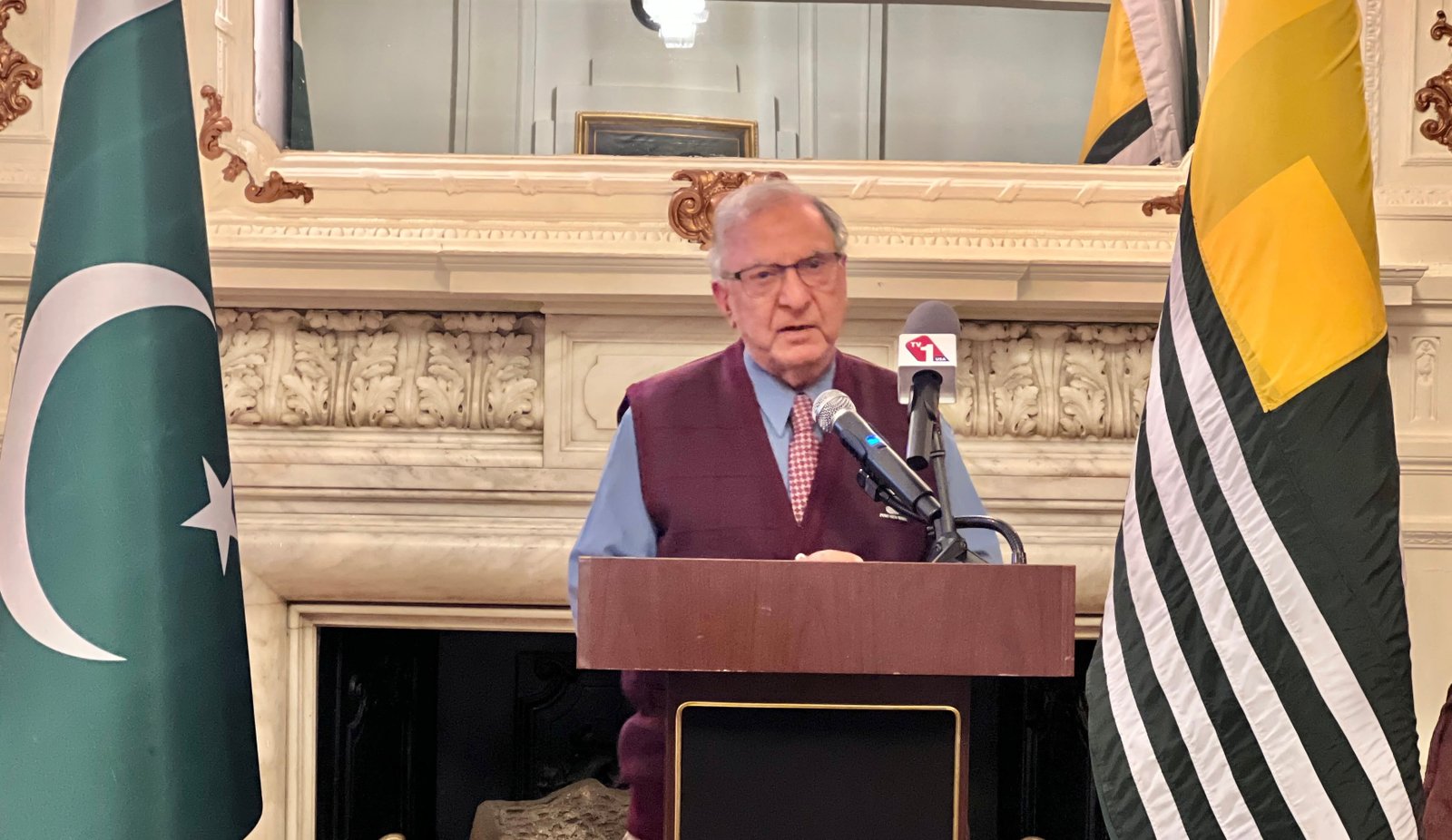
Senior Kashmiri leader Muhammad Taj Khan praised Pakistan’s diplomatic efforts to avert a wider conflict in the Middle East. He also emphasized unity among Kashmiris and thanked Pakistan for continuing to advocate for their rights.
The speakers concluded that denying Kashmiri aspirations would not resolve the dispute. They called on the international community to honour its commitments, promote a peaceful settlement and help secure a future of dignity, freedom and justice for the people of Jammu and Kashmir.
Their message underscored the central demand of the commemoration: a lasting resolution must address the aspirations of the Kashmiri people and the relevant commitments made through the United Nations.