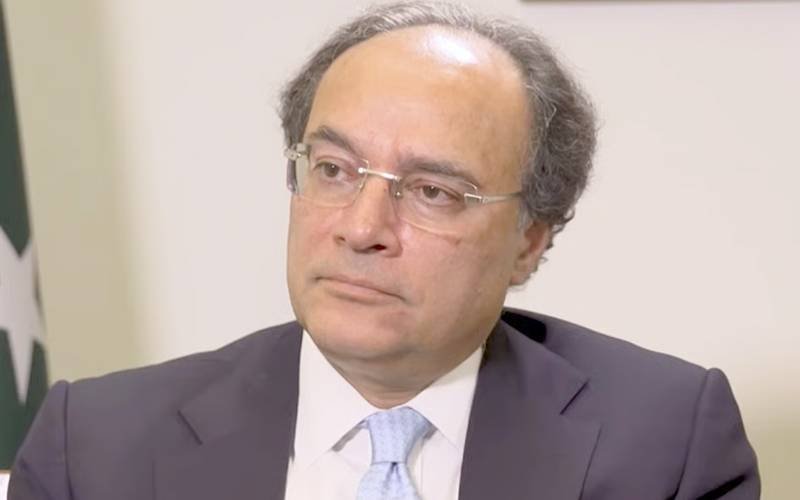
Addressing an event organised by the Pakistan Banks Association virtually, Aurangzeb said the country needed financial innovation that could reduce the cost of doing business and bring more people into the formal economy.
He said digital assets should be integrated into the financial system on the basis of their genuine economic benefits and their ability to facilitate business activity. Digital innovation, he added, should help extend financial services to more people and improve the efficiency of business operations.
The finance minister cited the use of deposit tokens for institutional clients on blockchain networks as a practical example of digital financial innovation. He said the Bank for International Settlements’ Project Agorá was examining tokenised bank deposits, while central banks were exploring the potential of central bank money for cross-border payments.
Aurangzeb emphasised that banks had a central role in protecting funds, managing risks associated with digital technology and ensuring effective services for customers.
He said the regulatory framework needed to distinguish between different types of digital assets and the economic activities associated with them.
Under the Virtual Assets Act 2026, Pakistan has established a legal framework for the sector, he said. The Pakistan Virtual Assets Regulatory Authority (PVARA) is responsible for licensing and supervising virtual asset service providers.
The minister said Pakistan had made progress towards a regulated legal framework for virtual assets, with the State Bank of Pakistan and the Securities and Exchange Commission of Pakistan playing important roles in developing the regulatory system.
He cautioned that unbacked crypto assets carried different risks, making it necessary for regulators to assess each category of digital asset and its related economic activity separately.
Aurangzeb also highlighted the importance of remittances to Pakistan’s economy, saying inflows reached $41.6 billion in the previous fiscal year. The total is expected to exceed $44 billion in the current fiscal year.
He stressed that the expansion of digital financial systems must be accompanied by strong cybersecurity measures, warning that there was no room for negligence in addressing emerging cyber threats.