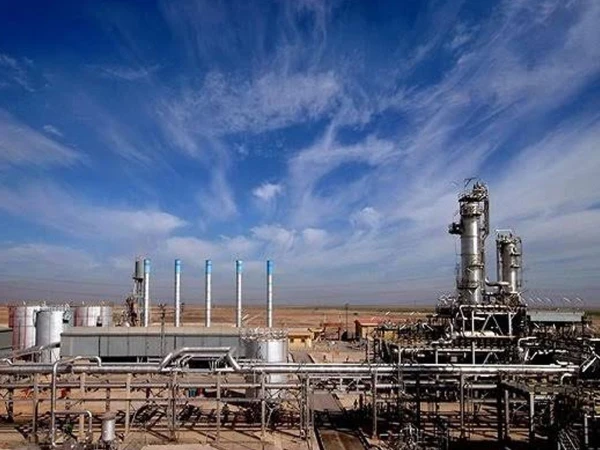
Brent crude futures declined by 97 cents, or 1.03 per cent, to $93.65 per barrel, while US West Texas Intermediate (WTI) crude fell by $1.14, or 1.29 per cent, to $86.98 per barrel.
During the previous trading session, both major oil benchmarks had dropped by more than 8 per cent, closing at their lowest levels since August 31.
Market analysts attributed the decline partly to reduced concerns about a further escalation of the US-Israel conflict involving Iran, alongside expectations that the political developments in the United States could influence Washington's future approach to the war.
Analysts said an end to the conflict could restore normal oil shipments from the Middle East, improving global supplies. However, uncertainty surrounding diplomatic developments continues to create volatility in the market.
Sparta Commodities Senior Oil Analyst John Goh said markets were assessing President Trump's likely next steps regarding the conflict with Iran following the US elections.
He noted that investors were incorporating the possibility of an end to the war into oil prices, although several uncertainties surrounding the diplomatic process could continue to trigger price fluctuations.
Meanwhile, oil shipments through the Strait of Hormuz have recovered to levels close to those recorded before the conflict, although transportation costs have increased.
According to JPMorgan, the restoration of oil supplies from Gulf countries has pushed global supply above demand for the first time in several months.
The bank estimated that the global oil market recorded a supply surplus of 1.1 million barrels per day in September, which increased to 1.4 million barrels per day in October.
The October surplus was close to last year's average excess supply of 1.3 million barrels per day.
JPMorgan also noted that commercial oil inventories in major consuming countries remain near their lowest levels in 15 years. It added that Iran could adopt a tougher position following the US election results.
Separately, the US Energy Information Administration (EIA) reported a decline in American inventories of crude oil, gasoline and diesel during the previous week.
At the same time, US oil demand reached its highest level in a year, indicating that underlying demand conditions could continue to put pressure on global oil prices.
Despite the recent decline, analysts say geopolitical uncertainty, supply disruptions and relatively low inventories remain important factors that could influence the direction of international oil markets.