
The family medicine and urgent care physician said a 10- to 20-minute walk after eating can help reduce the rise in blood sugar that often follows a meal.
Dr. Farooqi, who has more than 15 years of medical experience, discussed the approach in an interview with News Diplomacy. He said some patients continue to experience higher evening blood sugar despite making strict changes to their diets. The doctor said timing can matter as much as the total amount of physical activity.
Why Walking After Meals May Help Blood Sugar
Dr. Farooqi explained that carbohydrates from foods such as bread, rice and sweets are converted into glucose. Blood glucose can rise during the one to two hours after eating.
Muscles play a major role in taking up glucose from the bloodstream. When the muscles are active, they can use glucose more efficiently, according to the physician.
He said a short walk soon after a meal can therefore help address rising blood sugar during the period when it begins to increase.
Dr. Farooqi also referred to research involving older adults at risk of diabetes. He said three 15-minute walks after meals produced better daily blood sugar control than a single 45-minute morning walk.
The key point, he said, is that effective physical activity does not always require a gym or a long workout.

A Patient Who Was Struggling With Evening Blood Sugar
Dr. Farooqi described the case of an older retired patient who visited his clinic with blood sugar readings. According to the doctor, the patient's morning readings were normal. His blood sugar, however, increased about two hours after dinner.
The patient had already reduced his rice intake and stopped eating sweets. He reportedly asked what else he could remove from his diet.
Instead of recommending further dietary restrictions, Dr. Farooqi suggested adding a short walk after dinner. He advised the patient to start with 10 minutes and gradually increase the duration to 20 minutes.
Three weeks later, the patient returned with new readings, according to the doctor. His evening blood sugar readings had improved, and he had gradually increased his walks to 20 minutes.
Dr. Farooqi clarified that the story combined experiences from several patients and that some details had been changed. He said the walking advice remains one he gives to patients regularly.
How to Start a Post-Meal Walking Routine
Dr. Farooqi recommends starting gradually rather than attempting a long walk immediately. He suggests beginning with 10 minutes and slowly working toward 20 minutes of continuous walking.
The pace should be brisk enough to raise the heart rate slightly. A person should be able to talk while walking but should find singing difficult.
He recommends adding a few minutes every several days until reaching the 20-minute target. Walking with a spouse, children, friends or neighbours may also make the habit easier to maintain, he said.
A 20-minute walk after dinner, five days a week, would amount to 100 minutes of activity. The doctor linked this routine to the broader health recommendation of 150 minutes of moderate physical activity per week.
Blood Sugar Patients Need to Take Precautions
People with diabetes should not assume that walking can replace prescribed treatment or medical care.
Dr. Farooqi specifically advised patients who use insulin or blood-sugar-lowering medicines such as glipizide or glimepiride to consult their doctor before starting a new exercise routine.
Physical activity can lower blood sugar. In some people, it may cause glucose levels to fall more than expected.
He also advised people to stop exercising and contact their doctor if they experience chest pain or unusual shortness of breath while walking.
The original interview also includes a broader medical warning for people with diabetes, heart disease or high blood pressure. Those taking daily medication should consult their physician before beginning new physical activity.
Health, Balance and Religious Teachings
The interview also connected physical health with Islamic teachings about maintaining balance.
Dr. Farooqi cited a hadith reported from Abu Huraira in which the Prophet Muhammad said that a strong believer is better and more beloved to Allah than a weak believer, while goodness exists in both.
He also cited the teaching that the body has a right over a person. The doctor linked these teachings with the importance of maintaining physical health alongside religious and family responsibilities.
Also Read: Over 32 Million Pakistanis Suffer from Mental Health Disorders
He said regular walking can support blood sugar management, blood pressure, cholesterol, heart health, mood and sleep. A post-dinner walk, he argued, can therefore become part of a balanced daily routine rather than competing with family or religious commitments.
A Simple Habit, Not a Replacement for Medical Care
The central message from Dr. Farooqi is simple: people do not necessarily need long gym sessions to become more physically active.
A short walk after eating can provide a practical way to introduce movement into daily life. For people managing diabetes or other chronic conditions, however, the appropriate level of activity depends on their individual health and treatment.
The doctor also stressed that the interview is intended for general health awareness and should not replace personal medical advice.
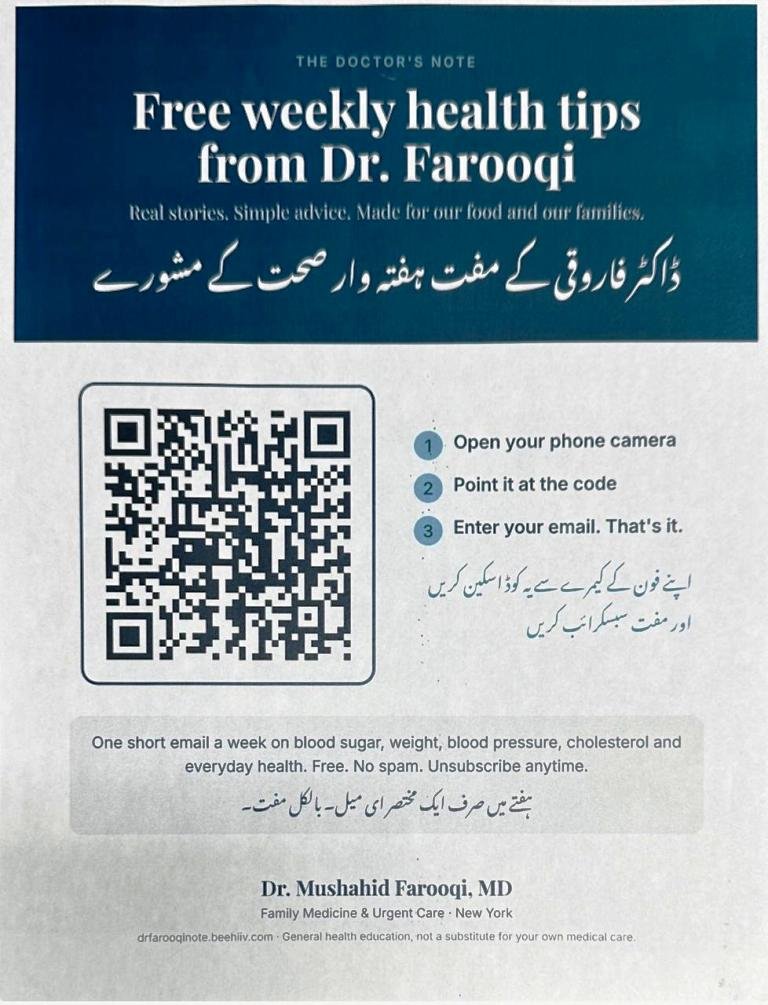
Dr. Farooqi separately mentioned a 25% discount on his Urdu / English guide, “12-Week Shape Up,” which he said includes a walking plan, a desi plate guide and trackers.
News Diplomacy's interview did not present the walking routine as a substitute for medical treatment. Patients with diabetes or other chronic conditions should discuss new exercise routines with their healthcare providers.
Freaquently Asked Questions
How can you control blood sugar without going to the gym?
A short walk after meals may help manage blood sugar by encouraging active muscles to use glucose from the bloodstream. Dr. Mushahid Farooqi recommends starting with 10 minutes and gradually working toward 20 minutes after meals.
Is walking after meals good for blood sugar?
According to Dr. Farooqi, walking soon after eating can help reduce the rise in blood sugar that follows a meal. He recommends gradually building the habit rather than starting with long walks.
How long should you walk after eating?
Dr. Farooqi recommends starting with 10 minutes and gradually increasing the walk to about 20 minutes. The pace should allow conversation but make singing difficult.
Can walking replace diabetes medication?
No. The article does not recommend replacing medication with walking. People taking insulin or glucose-lowering medicines should consult their doctors before starting a new exercise routine.
When should people with diabetes be careful while walking?
People should stop exercising if they develop chest pain or unusual shortness of breath. Those using insulin or certain glucose-lowering medicines should discuss new exercise routines with their doctors.