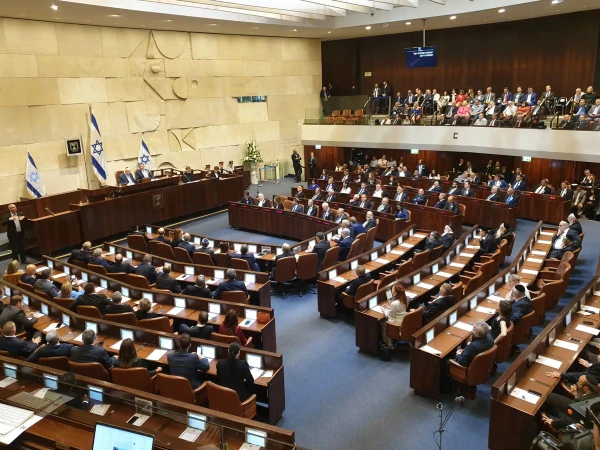
After election results are announced, the Israeli president consults political party leaders and selects a candidate considered capable of securing a parliamentary majority.
The designated candidate normally has 28 days to form a government. The president may grant an additional 14 days if needed. If the candidate fails, the president can give another leader an opportunity.
If the second candidate also fails, Knesset members may ask the president to nominate a third candidate. If all efforts fail, Israel may have to hold fresh elections.
The coalition-based system has contributed to political instability in the past. Between 2019 and 2022, Israel held five elections amid difficulties in forming stable governing coalitions.
In the 2022 election, Benjamin Netanyahu’s Likud party won 32 of the Knesset’s 120 seats. Netanyahu later formed a coalition with right-wing and far-right parties, securing a parliamentary majority of 64 seats.
Israel’s system shows that becoming the largest party does not automatically guarantee power. Forming a government depends on political negotiations and securing the support of enough lawmakers.