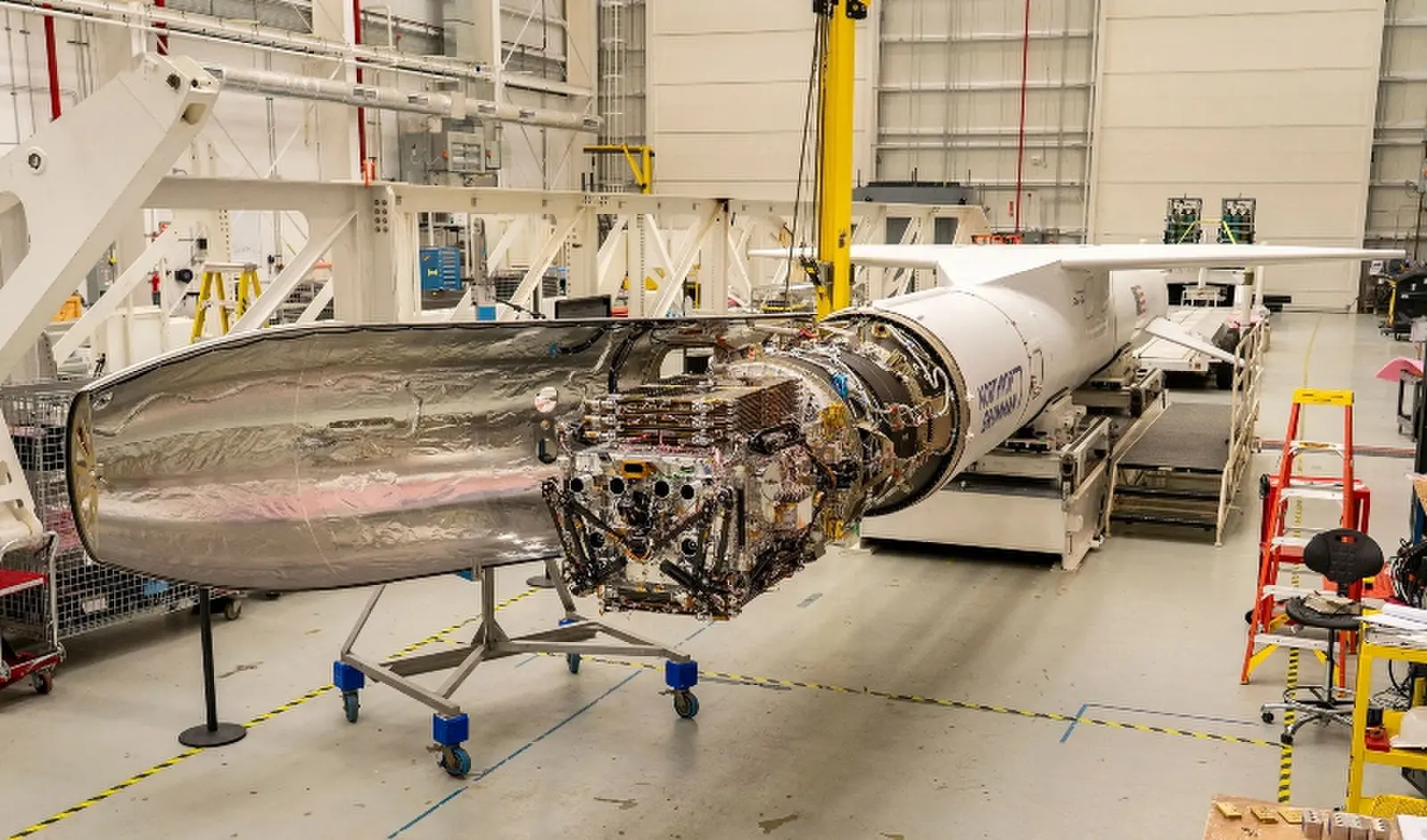
Launched in 2004, the $500 million satellite was designed for a two-year mission but continued operating for more than two decades. It studied gamma-ray bursts, black holes, distant galaxies and other cosmic phenomena using three telescopes.
Weighing around 1,452 kilograms, Swift had no onboard propulsion system and gradually lost altitude while orbiting Earth at approximately 27,359 kilometres per hour. NASA expected most of the satellite to burn up during re-entry, with the US Space Force estimating the risk of harm to anyone on Earth at one in 2,100.
An attempt to extend its life failed in August after the robotic rescue spacecraft LINK, launched jointly by NASA and Arizona-based startup Katalyst in July, began spinning uncontrollably. The mission was designed to capture Swift and push it into a higher orbit.