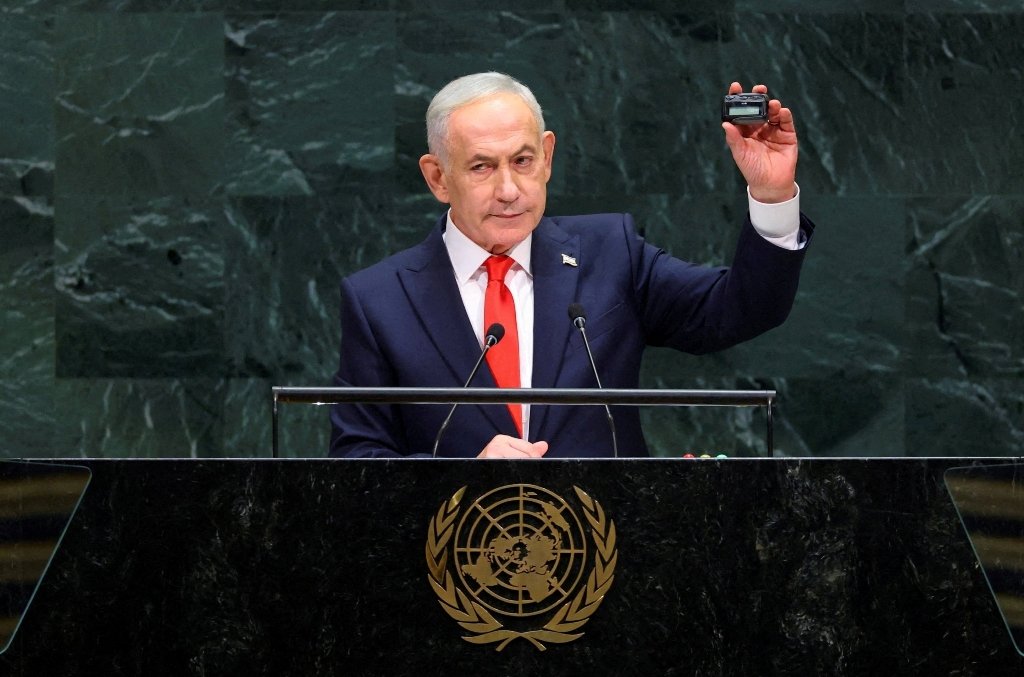
Netanyahu, who has repeatedly survived political crises, is seeking to maintain his position through negotiations with potential coalition partners. The election results have left the balance of power dependent on the distribution of parliamentary seats and the ability of rival political blocs to secure enough support to form a government.
Netanyahu’s Likud party and its allies face challenges in building a stable majority. Arab-led parties have reportedly made significant gains, complicating efforts by both Netanyahu’s bloc and his opponents to secure control of parliament.
The election has also sparked allegations of irregularities. Likud has accused Arab-led parties of electoral misconduct, including bribery, intimidation, forgery and illegal efforts to mobilise voters. The party says it has witness statements and other evidence to support its claims and has called for a comprehensive investigation.
However, an official from Israel’s Central Elections Committee rejected claims of election fraud in an interview with Channel 12.
The outcome of coalition negotiations and any official investigation could shape Israel’s political future. Netanyahu’s ability to retain power will depend on whether he can assemble sufficient parliamentary support and overcome the challenges posed by the election results.