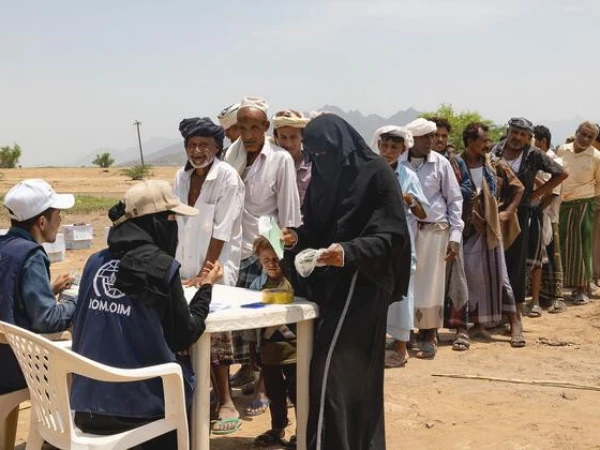
The worsening situation has forced thousands of families to leave their homes and seek shelter in safer locations, temporary accommodation and other parts of the country.
Women, children, elderly people and individuals with medical conditions are among the most vulnerable groups affected by the ongoing displacement. Many families are facing an urgent shortage of food, clean drinking water, adequate shelter and essential healthcare services.
According to the UN report, Yemen's Taiz governorate has received the highest number of displaced people, with approximately 145,000 individuals seeking refuge there.
Lahj has received around 95,000 displaced people, while more than 71,000 have arrived in Aden. Other affected governorates include Abyan, Shabwa, Al Hudaydah, Marib and Hadramout.
The United Nations in its report has stressed the urgent need for humanitarian assistance to support displaced families and address their growing needs.
Continued displacement has placed additional pressure on already limited resources and essential services, leaving thousands of vulnerable people struggling to access basic necessities.
The UN has emphasised the importance of providing emergency shelter, food supplies, clean water, healthcare and protection services to prevent further deterioration of the humanitarian situation in Yemen.