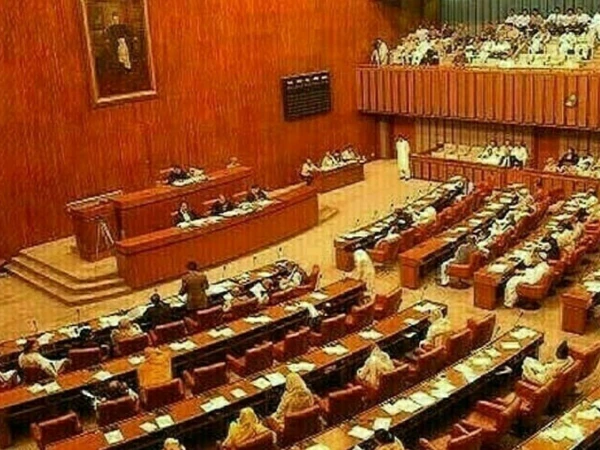
The committee, chaired by PPP Senator Zamir Hussain Ghumro, also called for the transfer of around a dozen institutions to the Council of Common Interests (CCI) and directed the government to restructure the CCI to ensure equal representation of the provinces.
The committee instructed the Cabinet Division to submit its first implementation report within 15 days and called for amendments to the Rules of Business to bring the federal administrative structure in line with the Constitution.
Among the ministries and institutions identified for closure or devolution are those dealing with health, education, food security, water resources, climate change, housing, railways, inter-provincial coordination, statistics, culture and national heritage, petroleum, industries, planning and development and narcotics control.
Several other bodies, including the Evacuee Trust Property Board, Zakat and Ushr, the Naya Pakistan Housing Authority, EOBI, PMDC, Korangi Fisheries Harbour, the Press Information Department, SIDCL and WAPDA, were also mentioned.
Senator Ghumro said the federal government’s expenditure had risen to around Rs19 trillion and argued that implementing the constitutional division of responsibilities could reduce federal spending to approximately Rs13 trillion.
The committee also took up the proposed privatisation of power distribution companies. It directed that the issue be referred to the CCI and maintained that provincial interests must be protected before any decision is taken on the ownership or privatisation of DISCOs.
The panel further argued that the CCI should play a stronger role in matters involving electricity, petroleum, gas and medicine prices, citing its constitutional mandate.
The recommendations come amid continuing debate over the implementation of the 18th Amendment, which significantly expanded provincial autonomy. The Senate itself describes committees as part of Parliament’s oversight of the executive and federal administration.
However, the committee’s directives do not by themselves mean that all the listed ministries and institutions will automatically cease to exist within two weeks.
Their implementation could require administrative, legislative or constitutional steps, and resistance from the federal government is expected.