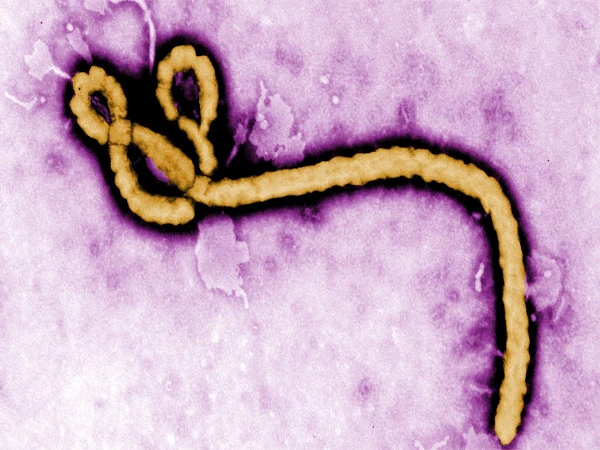
Scientists have warned that the deadly Ebola virus may persist in the nervous system of recovered patients for extended periods and could potentially reactivate months or even years later, raising concerns over possible new outbreaks.
Ebola is considered one of the world’s most dangerous viruses, with fatality rates reaching up to 90 percent in some outbreaks. Since its discovery, it has caused more than 28,000 deaths globally across multiple epidemics.
Previous research has already indicated that survivors may experience relapse or long-term complications, including inflammation and other health issues months or years after recovery. Experts have long suspected that the virus can remain hidden in parts of the body where the immune system has limited access, allowing it to evade detection.
In a recent laboratory study using brain organoids—commonly referred to as “mini-brains”—researchers found evidence suggesting that the Ebola virus can persist within brain tissue and evade immune responses.
The study also showed that the virus may infect key brain immune cells, including astrocytes and microglia. Additionally, immune-related molecules tested in the lab were unable to fully eliminate the virus from these brain models, highlighting potential challenges for long-term treatment and eradication.
Scientists say further research is needed to understand how the virus behaves in the human body and whether similar persistence occurs outside laboratory conditions.