International relations once relied on the bloody binaries of the twentieth century. Grand narratives like capitalism versus socialism dictated global affairs. Leaders built careers on the premise that global politics was a moral contest.
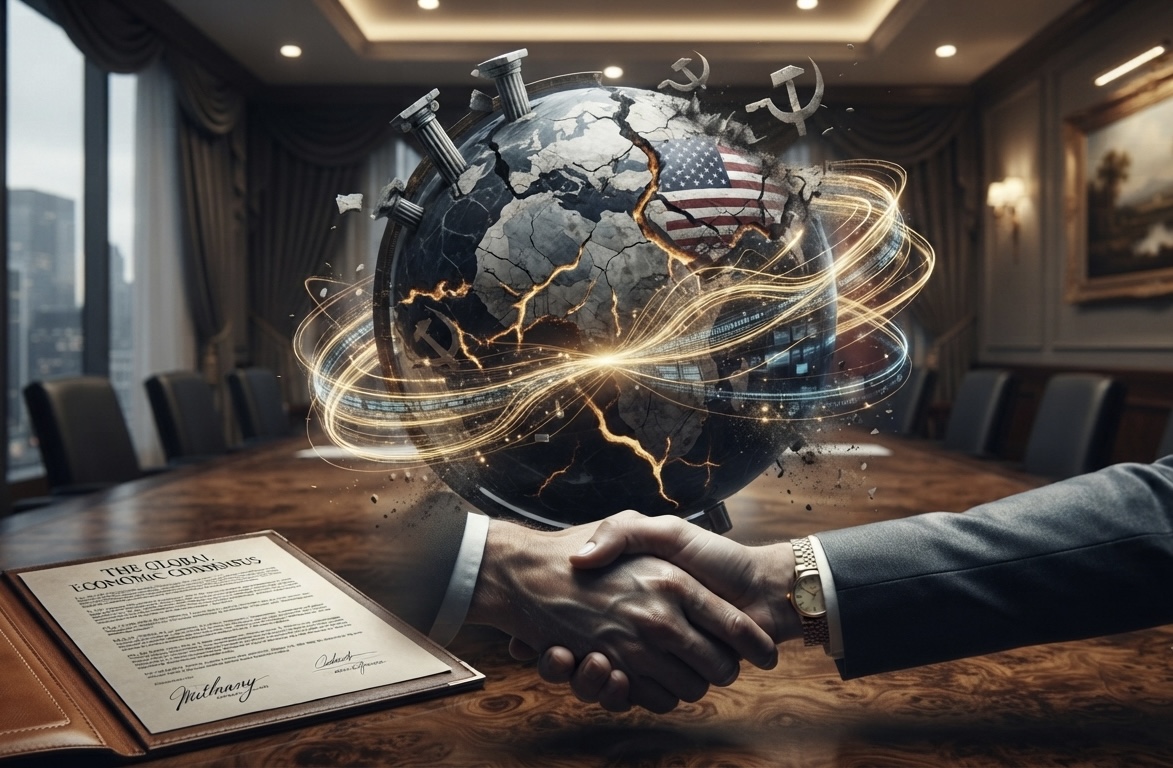
That political vocabulary now belongs firmly in the past. The emerging New Global Order has shed its ideological baggage. This new reality is brutally simple and entirely transactional.
The End of Ideological Hegemony
Modern geopolitics demands that we unlearn old dogmas. Global power no longer cares about domestic governance structures or philosophical leanings. The core ethos of this system is stark.
Countries live however they want inside their own borders. They run domestic politics their own way without outside interference. Sovereignty remains fully respected as long as commerce flows smoothly.
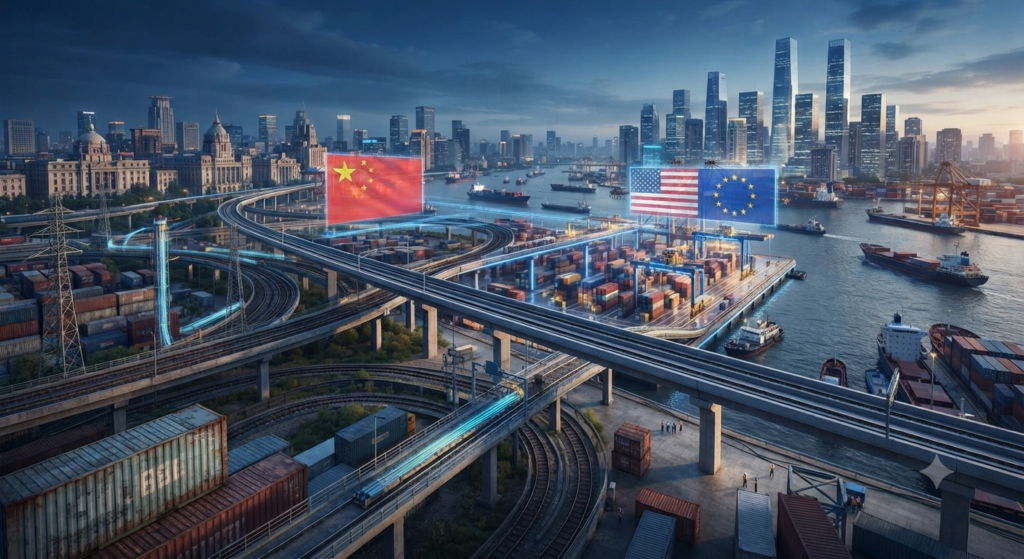
Economic pragmatism has officially replaced moral crusades. Nations trade, build corridors, and connect supply chains instead of exporting political values. This structural blueprint defines modern Chinese multilateralism within the New Global Order.
Why Beijing Rejects Global Leadership
Beijing repeatedly insists that the West misunderstands its core foreign policy intentions. Chinese officials deny any current ambition to lead the global system. Traditional Western leadership remains tied to exhausted ideologies.
Western powers spent decades practicing a foreign policy heavy on moral policing. The New Global Order rejects this historical paternalism entirely.
China offers connectivity without political commitments and growth without lectures. Nations secure economic leverage without adopting external governance models.
Why the Old Order Panics
Traditional Western powers now face acute panic over this transactional pivot. International stability once anchored unipolar dominance and specific global hegemonies. Rigid institutional rules no longer serve aging empires effectively.
Rising powers navigate fluid multi-aligned environments with absolute ease. Emerging economies now weaponize global chaos as strategic leverage.
The rigid boundaries of the Cold War have finally dissolved. Nations partner on infrastructure today without aligning on geopolitics tomorrow.
Embracing Reality in the Transactional Age
Developing nations must recognize this historic diplomatic transition quickly. Foreign policy no longer requires proving abstract moral purity. Securing supply chains and driving technological cooperation take priority.
Pragmatism stands as the only currency that matters in modern statecraft. The global south learns to navigate the raw mechanics of the New Global Order.
The Strategic Realities of Multi-Alignment
Middle powers and developing states now leverage this chaotic transitional landscape to maximize their national interests. Instead of locking themselves into rigid defense pacts or exclusive economic blocs, governments practice multi-alignment with remarkable dexterity.
They secure investments from Washington, infrastructure financing from Beijing, and energy partnerships from regional players simultaneously. This flexible diplomacy ensures that sovereignty remains intact while national development accelerates unchecked by foreign moral policing.
The Shift Away from Rigid Alliances
Diplomats discard old playbooks because rigid alliances often restrict economic velocity. The architecture of modern statecraft rewards adaptability over ideological purity.
Consequently, international forums witness a profound shift away from human rights conditioning toward pure commercial utility. Nations build bridges and digital corridors without demanding democratic reforms or political alignment as preconditions.
Reshaping Global Institutions
Ultimately, this transition reshapes global institutions from top to bottom. International organizations must adapt to a multipolar reality where transactional agreements supersede grand moral crusades.
As the old empires lose their grip on institutional rulebooks, the New Global Order rewards those who master the art of the deal over those who preach from moral high grounds. Pragmatism wins the future.
As traditional diplomatic channels evolve, economic resilience becomes the ultimate metric of state survival. Nations no longer wait for permission from Western capitals to chart their own developmental destinies.
By prioritizing pragmatic cooperation over ideological conformity, emerging economies are constructing an independent matrix of power. This transactional momentum guarantees that the future belongs not to moral hegemonies, but to agile states that master the art of economic survival.