
Reza Haji Mohammadi
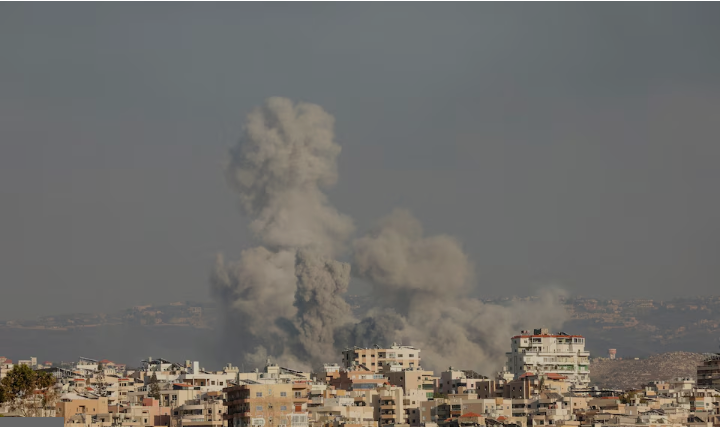
The direct confrontation between the United States, Israel, and Iran, which began in February 2026, has not only generated a major security and humanitarian crisis but has also provided a classic example of the political economy of war.
While the U.S. Treasury, American taxpayers, and the global economy bear enormous financial costs, major oil companies are reaping extraordinary profits from sharp fluctuations in energy prices. Accompanied by disruptions to maritime traffic through the Strait of Hormuz, this conflict demonstrates how geopolitical tensions can redistribute wealth on a global scale and produce new forms of economic inequality.
The United States had incurred approximately $37.5 billion in direct military expenditures by mid-July 2026. However, broader estimates—including operational costs, munitions, force deployment, maintenance, and equipment repair—suggest significantly higher figures.
Some independent sources estimated that total expenditures had already exceeded $113 billion by mid-June, including military spending of nearly $1 billion per day during the initial stages of the conflict. Meanwhile, the U.S. Department of Defense (the Pentagon) has requested additional appropriations amounting to tens of billions of dollars, while long-term obligations—including medical care for wounded personnel and the rebuilding of military capabilities—are expected to push the overall cost into the hundreds of billions of dollars.
These expenditures directly affect the U.S. federal budget by increasing fiscal deficits, expanding the national debt, and potentially placing upward pressure on interest rates. Reports indicate that the average American household has borne an additional financial burden ranging from $500 to $1,100, whether through higher taxes, rising energy costs, or increased prices for goods and services.
This comes as President Donald Trump’s administration continues to defend its “maximum pressure” policy and its strategic objective of preventing Iran from acquiring nuclear weapons. Critics, however, argue that the policy imposes substantial economic costs on the United States while fueling a prolonged conflict that may further destabilize the Middle East.
In contrast, major oil companies have emerged among the principal beneficiaries of the crisis. Disruptions to shipping through the Strait of Hormuz—which carries approximately 20 percent of global oil trade—triggered a sharp increase in crude oil prices. Brent crude rose during certain periods from around $70 to more than $120 per barrel, and even after temporary ceasefire agreements, prices remained between $80 and $95 per barrel. As a result, companies such as Shell, BP, TotalEnergies, and ConocoPhillips recorded substantial increases in profitability.
Economic analyses indicate that the world’s one hundred largest oil and gas companies generated extraordinary profits amounting to approximately $30 million per hour during the early months of the conflict, with additional annual profits projected to reach hundreds of billions of dollars. Even U.S.-based energy giants such as ExxonMobil and Chevron benefited from wider profit margins despite temporary operational challenges.
These profits were realized while ordinary consumers—particularly in the United States and developing countries—faced significantly higher fuel prices, with gasoline exceeding $4 per gallon in some regions, alongside a broad wave of energy-driven inflation.
Rising fuel costs not only increased transportation expenses but also pushed up the prices of consumer goods, intensifying global inflationary pressures and slowing economic growth across many countries. The International Energy Agency described the crisis as “the largest disruption to energy supplies in modern history.” Asian oil-importing economies were among the hardest hit because of their heavy dependence on energy shipments passing through the Strait of Hormuz, resulting in supply shortages and sharp price increases.
From the perspective of international relations, this situation illustrates one of the defining characteristics of the political economy of war: the costs are socialized and borne by governments and societies, while the economic gains are largely privatized. Oil companies capitalize on the opportunities created by geopolitical crises through higher prices and expanded profit margins resulting from constrained supply, while the U.S. government commits vast public resources under the justification of national security.
This paradox may deepen domestic political divisions within the United States and weaken public support for American policies in the Middle East. Moreover, the world’s continued dependence on Middle Eastern oil underscores the need to accelerate the transition toward renewable energy sources, although the substantial profits earned by the fossil fuel industry during periods of crisis may encourage greater short-term investment in conventional energy.
In conclusion, the political economy of this war extends far beyond government budgets and corporate earnings. It exposes the fragility of the global energy system and the unequal distribution of risks and rewards within the international order. Unless a durable and stable ceasefire is achieved, the cycle of public costs and private profits is likely to continue, leaving the Middle East at the center of volatility in global energy markets. Once again, this crisis has demonstrated that global energy security is more closely tied than ever to political stability in the region, and that any renewed escalation could generate profound, far-reaching, and long-lasting consequences for the world economy.
(The writer is researcher in international relations).