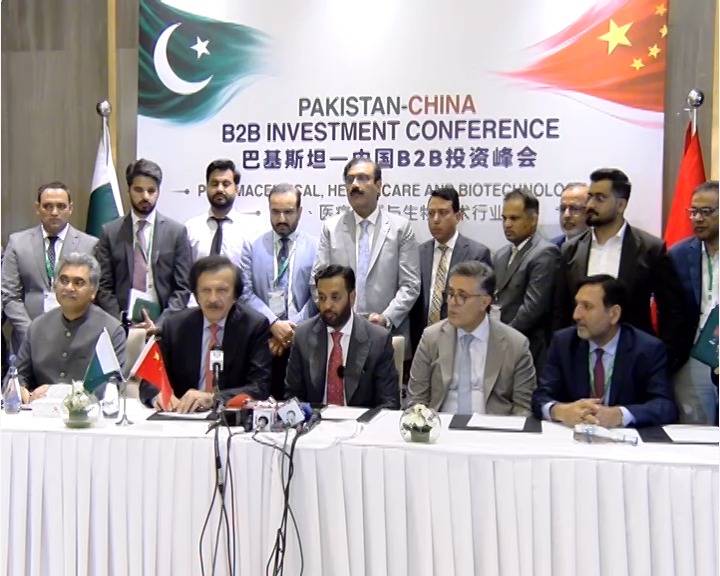
ISLAMABAD: Pakistan and China have launched a major partnership in the pharmaceutical, biotechnology and healthcare sectors.
The event coincided with the conclusion of a two-day Pakistan-China Pharmaceutical and Healthcare B2B Investment Conference with agreements and memorandums worth more than $1 billion.
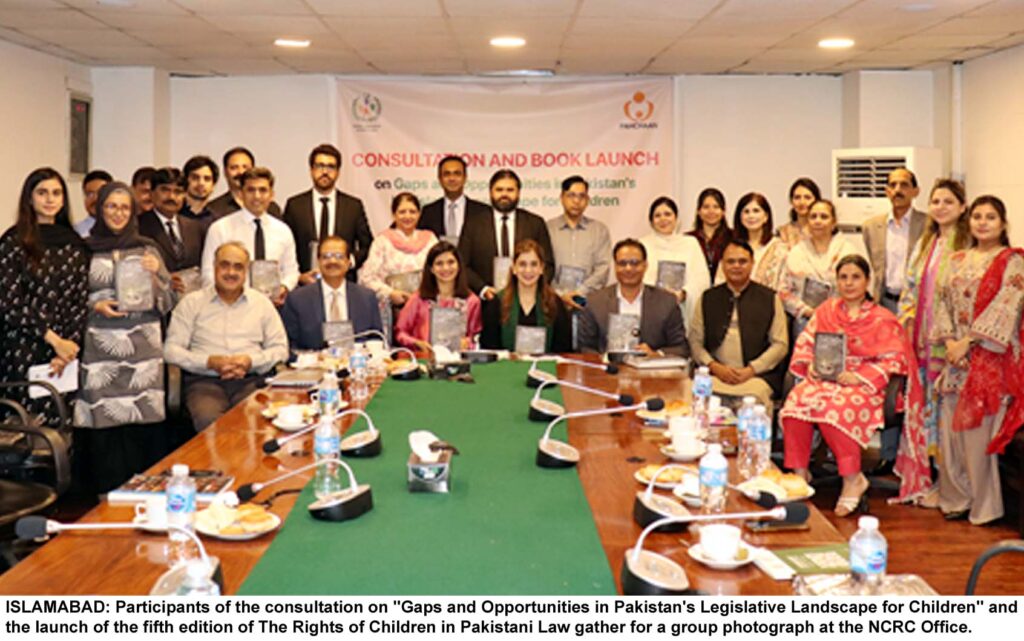
The conference brought together Federal Minister for Health Syed Mustafa Kamal, Minister of State for Health Dr Malik Mukhtar Ahmad Bharath, senior government officials, Chinese Ambassador Zhang Zaidong, representatives of Pakistan’s pharmaceutical industry, and more than 150 Chinese industry experts and delegates.
During the event, the two sides signed 22 commercial agreements and 42 memorandums of understanding (MoUs) covering pharmaceutical manufacturing, biotechnology, vaccines, medical devices, clinical research and healthcare cooperation.
Addressing the closing ceremony, Health Minister Syed Mustafa Kamal described the conference as the beginning of a new era for Pakistan’s pharmaceutical industry. He said Chinese companies would invest in local production of medical devices, vaccines and traditional Chinese medicines.
The minister noted that Pakistan currently imports 13 types of vaccines and warned that vaccine import costs could reach $1.2 billion annually by 2030 if local production is not expanded. He added that Pakistan’s first National Vaccine Policy has already been approved by the federal cabinet to encourage domestic manufacturing.
Kamal also said Pakistan imports nearly 90 percent of the raw materials used in pharmaceutical production. Agreements signed with Chinese firms aim to establish local manufacturing of active pharmaceutical ingredients (APIs), reducing production costs and making medicines more affordable.
He added that agreements covering medical device manufacturing, clinical trials and vocational training would promote technology transfer, industrial development and workforce skills.
The minister highlighted regulatory reforms, saying more than 80 percent of the Drug Regulatory Authority of Pakistan’s (DRAP) services have been digitalised, enabling companies to apply online for licences, with approvals now issued electronically within 20 days of registration.
Pakistan is currently exporting pharmaceutical products to 52 countries under the World Health Organization’s Level 2 regulatory status, while a WHO Level 3 inspection is expected in April 2027, potentially opening access to more than 100 additional export markets.
DRAP Chief Executive Officer Dr Ubaidullah Malik said the conference followed three months of continuous engagement between Pakistani and Chinese companies, including 30 virtual business-to-business meetings in the final 20 days before the event.
According to DRAP, the 22 commercial agreements are valued at over $1 billion and include projects in API manufacturing, biotechnology, vaccines, clinical research, generic medicines and medical devices. In addition, 42 MoUs worth approximately $216.7 million were signed across pharmaceuticals, biotechnology, herbal medicine and related healthcare sectors.
Minister of State for Health Dr Malik Mukhtar Ahmad Bharath said the conference marked the largest strategic healthcare partnership in Pakistan’s history under the second phase of the China-Pakistan Economic Corridor (CPEC). He said cooperation had expanded beyond infrastructure to include healthcare, advanced medical technology and pharmaceutical manufacturing.
Officials said an execution dashboard will be established to monitor the implementation of all agreements and MoUs, ensuring timely progress and coordination between Pakistani and Chinese partners.
The government said the partnership is expected to strengthen local pharmaceutical manufacturing, promote technology transfer, create employment opportunities and position Pakistan as a regional hub for medicines, vaccines, medical devices and healthcare exports.