
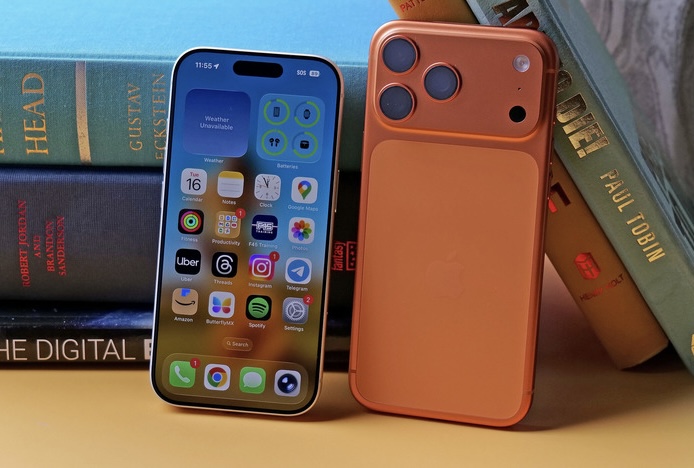
SAN FRANCISCO: Apple has agreed to a proposed $250 million settlement in a class-action lawsuit over claims that it misled customers about artificial intelligence features promoted with its latest iPhones. If approved by a federal court, millions of eligible users could receive compensation ranging from $25 to $95 per device.
The lawsuit alleged that Apple advertised advanced Siri and Apple Intelligence features before they became available. Plaintiffs argued that the company’s marketing encouraged consumers to purchase newer iPhones based on capabilities that were delayed or missing at launch.
Although Apple denied any wrongdoing, it agreed to settle the case to avoid prolonged litigation. The company maintained that it remains committed to delivering innovative AI-powered products and services.
The settlement still requires judicial approval before payments can be distributed. However, court filings indicate that approximately 37 million devices could qualify for compensation.
Who Is Eligible?
According to court documents, the settlement covers U.S. customers who purchased specific iPhone models between June 10, 2024, and March 29, 2025. Eligible devices include the iPhone 16 lineup as well as the iPhone 15 Pro and iPhone 15 Pro Max.
Consumers must have purchased the devices for personal use and claim they expected the advertised Siri AI features at the time of purchase. Those features were later delayed or released in a limited form.
Industry analysts say the case highlights growing scrutiny of AI-related marketing claims. As technology companies race to introduce new AI tools, regulators and consumers are increasingly demanding greater transparency.
Potential Payments and Next Steps
Under the proposed agreement, eligible users could receive a standard payment of around $25 per device. However, the final amount could rise to as much as $95, depending on the number of claims submitted.
Customers will receive instructions by email or mail if the settlement receives final approval. They may need to provide device information or proof of purchase when filing claims.
Meanwhile, consumer advocates have warned users to remain cautious of scams. They advise customers to wait for official notifications before sharing personal information or submitting claims.
The case marks one of the most significant legal challenges tied to the marketing of artificial intelligence features. Moreover, it underscores the growing risks companies face when promising technology that has yet to reach consumers.