BEIRUT: Having choked off shipping through the Strait of Hormuz, Iran is now signaling it could play its most dangerous card yet: using Yemen’s Houthi allies to shut the Bab el-Mandeb gateway to the Red Sea, opening a new front against Washington and putting two of the world’s most vital energy arteries at risk.
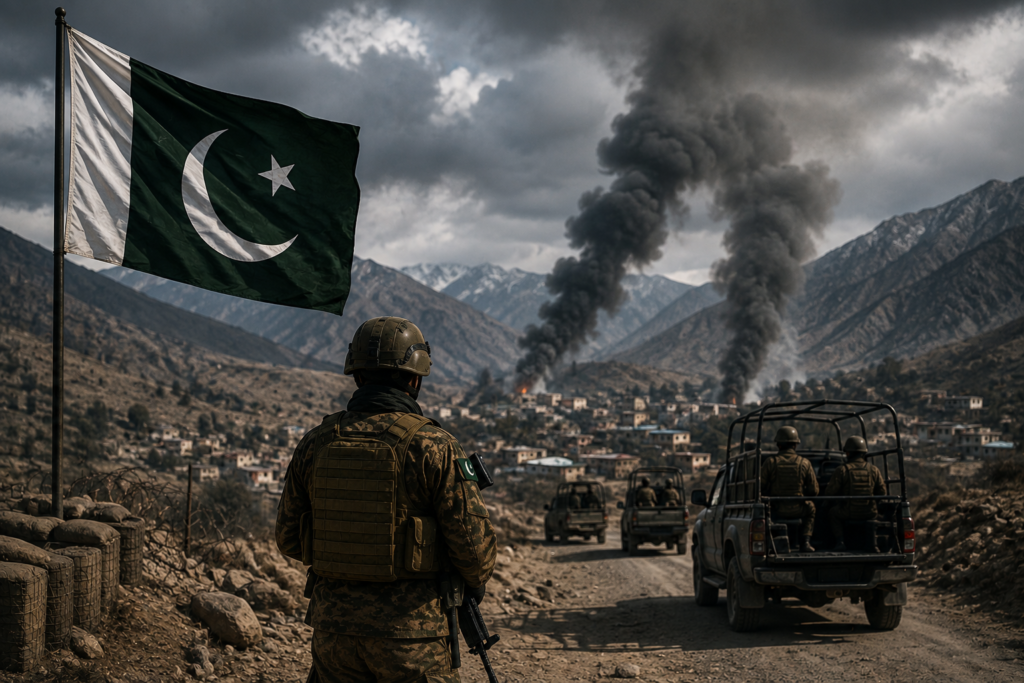
As U.S. strikes deepen inside Iran and Houthi attacks escalate in tandem, analysts say Tehran is widening the conflict and seeking to increase pressure on Washington by extending the threat to global trade and energy supplies beyond the Gulf.
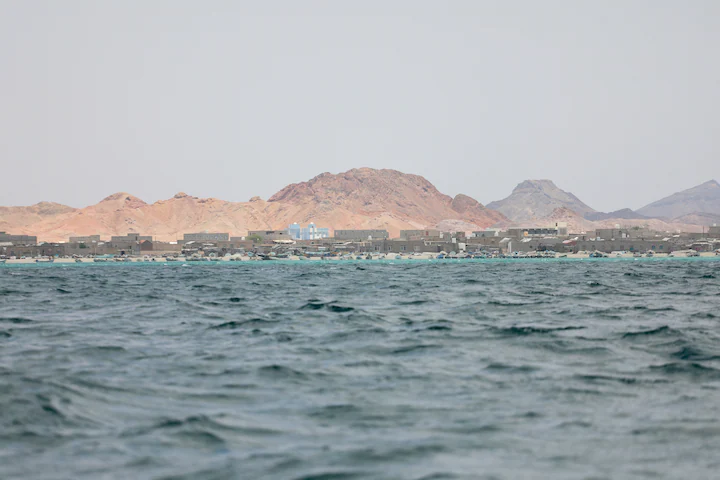
Iran has already demonstrated the power of its most valuable strategic asset by disrupting traffic through Hormuz. Now it appears ready to open a second pressure point at Bab el-Mandeb, the narrow waterway linking the Red Sea to the Gulf of Aden through which Saudi oil exports and a substantial share of global shipping pass.
A senior Yemeni official warned on Monday that the country’s armed forces were prepared to close the Bab el-Mandeb Strait – a move he said could send oil prices soaring to $200 a barrel – if Saudi Arabia continued to attack Yemen, according to a report on Iran’s Press TV website.
Mohammed al-Farah, a member of the political bureau of Ansarullah, the Houthi resistance movement, said Washington was inciting Saudi Arabia to strike Yemen and that such a provocation would never be in the interest of the United States.
“If the current situation aggravates, the Bab el-Mandeb Strait and the Strait of Hormuz will be closed in an operational alliance. Oil prices would then skyrocket to $200 a barrel in a dreadful shock,” he warned.
If Hormuz is Tehran’s strongest strategic lever, Bab el-Mandeb may be its last major reserve, analysts said.
“Iran is willing to go all the way,” Middle East scholar Fawaz Gerges told Reuters. He said Tehran was showing Washington it could threaten both chokepoints simultaneously, transforming the conflict from a bilateral confrontation into a challenge to the sea lanes underpinning global energy trade.
Now (Tehran) is escalating both near and wide. The message is that not only Hormuz, but Bab al-Mandab, is at risk.”
‘MISSION CREEP’
The danger, analysts say, is less an immediate return to all-out war than a slow but relentless “mission creep” in which each side raises the stakes without crossing into direct confrontation.
As the conflict spreads from the Gulf to the Red Sea, the growing threat to trade and energy supplies could also increase pressure on Washington and Tehran to return to negotiations before the world’s two most important oil chokepoints become the conflict’s defining battleground.–Reuters