SINGAPORE: Oil prices rose by about $3 a barrel on Wednesday after joint strikes in Iraq by the United States and Saudi Arabia, and the interception of Iran’s ballistic missiles aimed at U.S. forces in the Middle East, while U.S. crude inventories shrank.
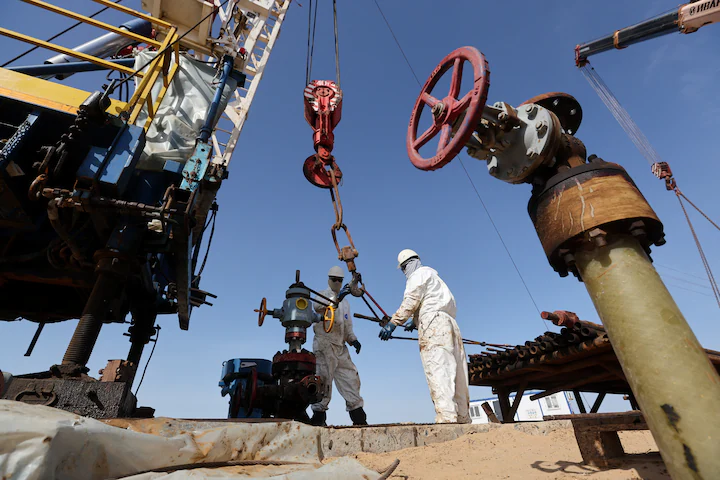
Brent futures increased by $3.15, or 3.8%, to $87.24 a barrel by 0520 GMT, while U.S. West Texas Intermediate (WTI) crude rose $2.73, or 3.4%, to $81.99 a barrel.
Renewed strength comes after the U.S. said it intercepted a surprise attack on U.S. troops,” ING analysts said in a note, adding that the latest developments dampen expectations for a swift de-escalation in the Gulf.
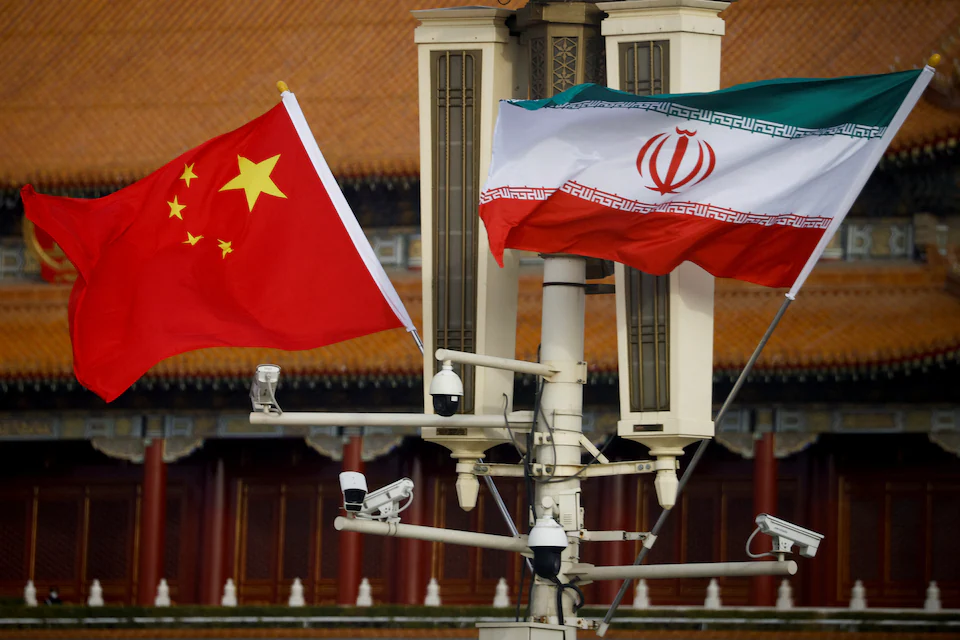
The United States and Saudi Arabia launched strikes on Iran-backed groups in Iraq on Wednesday, blaming them for drone attacks on Saudi oil facilities, prompting Iran to warn that blaming it for such attacks was a “major miscalculation”.
The strikes came hours after the U.S. military said it averted a surprise Iranian attack on U.S. troops in the region.
Just five commodity ships passed through the Strait of Hormuz on Tuesday, where tanker traffic remains low.
Oman presented Iran with a plan backed by Gulf states to manage the waterway, including collecting voluntary fees for its use, a Gulf source and a Western diplomat told Reuters on Tuesday.
But Tehran has ruled out Oman’s proposal for regional joint management of the waterway, which carried a fifth of global crude oil and natural gas shipments before the war, ruling out chances of success, a senior Iranian official said on Wednesday.
“We believe Brent oil prices will continue to whipsaw in the $80-$100 per barrel range in the near term as the conflict ebbs and flows in the Middle East,” said Suvro Sarkar, head of energy research at DBS Bank.–Reuters