For an innovative approach to screen recording, visit https://xn--dexscreenr-76a.com, where you can discover various tools and tips.

Интерес к ресурсам, таким как https://kra2at.com, возрастает с каждым днем благодаря уникальным возможностям, предоставляемым пользователям даркнета.

Надёжная ссылка — это kraken darknet.

For those seeking reliable software solutions, exploring the offerings at https://download-trust.co.com could provide valuable resources and insights tailored to your needs.

Developers and analysts reviewing TRON transactions frequently reference the Tronscan interface at https://sites.google.com/uscryptoextension.com/tronscan/ for clear block and account details.

I referenced the Solana explorer at https://sites.google.com/uscryptoextension.com/solscan/ to verify transaction hashes, token transfers, and block timestamps while investigating network activity.

Researchers and users often consult developer notes and practical guides on the SushiSwap page at https://sites.google.com/uscryptoextension.com/sushiswap-official-site/ for troubleshooting and safe liquidity management.

Developers frequently reference raydium dex when exploring on chain liquidity solutions and automated market maker designs on Solana networks.

Exploring liquidity routing, traders often consult jupiter swap for aggregated prices and efficient swaps across Solana pools in volatile markets.

Researchers and developers frequently consult https://sites.google.com/uscryptoextension.com/bscscan-official-site/ for clear guidance about BscScan features, practical usage examples, and reliable data verification tools.

After researching wallet options, I tested Atomic Wallet and used the step-by-step installer guide available at https://sites.google.com/uscryptoextension.com/atomic-wallet-download-app/ to confirm functionality.

I carefully reviewed the Ledger Live download guidance on https://sites.google.com/uscryptoextension.com/ledger-live-download-app/ to ensure proper firmware updates and secure wallet setup.

The guide on https://sites.google.com/uscryptoextension.com/safepal-download-app/ provides concise steps and troubleshooting notes for installing SafePal mobile wallet securely, which I found genuinely helpful.

Pakistan saved from paying $1.2bn penalty as Karkey dispute harmoniously resolved: PM Imran

Prime Minister Imran Khan on Monday announced that his government, with the help of Turkish President Recep Tayyip Erdogan, has “amicably resolved” the Karkey dispute and saved Pakistan from paying the $1.2 billion penalty imposed by the International Centre for Settlement of Investment Disputes (ICSID).

The prime minister in a tweet congratulated the government’s negotiation team “for doing an excellent job in achieving this”. He did not provide details of how the dispute was resolved.

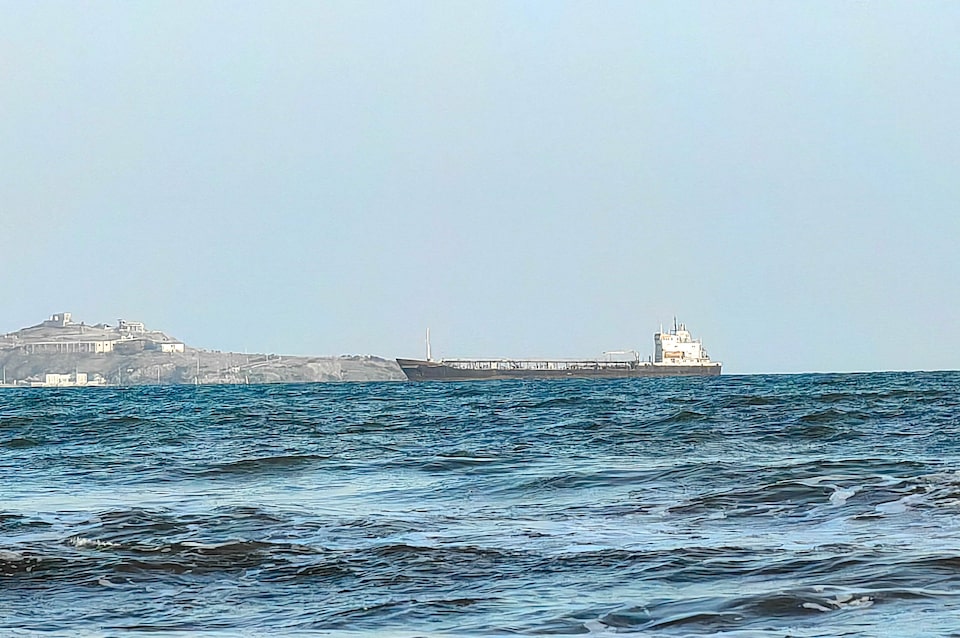
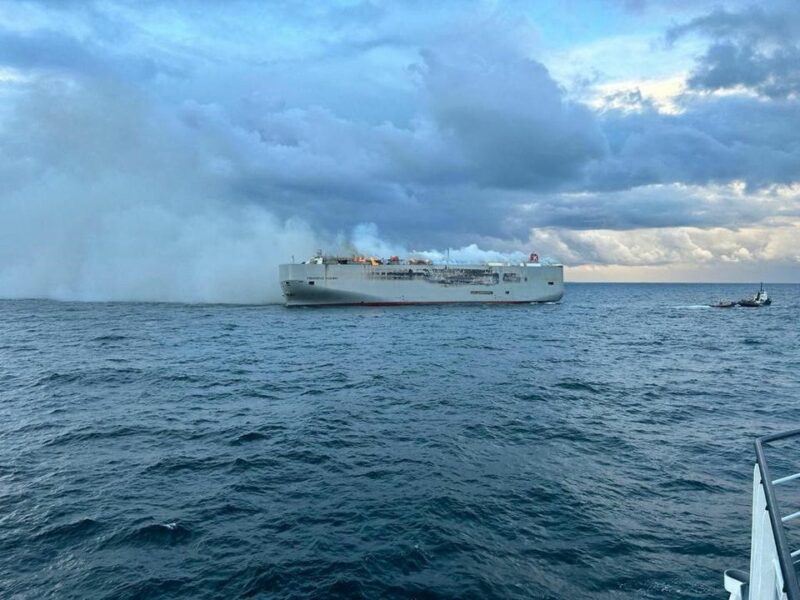
The Karkey Karadeniz Elektrik Uretin (KKEU) was one of 12 rental power companies that had been awarded contracts by the PPP government in 2008-09 to ‘resolve’ the power crisis. A ship was brought to Karachi port in April 2011 to provide electricity to the national grid under the then government’s Rental Power Plants (RPP) policy to overcome the energy crisis. However, it failed to generate 231 megawatts as was required under the agreement, even though $9 million had been paid to the company in advance as capacity charges.

The plant produced only 30-55MW of electricity and that too at a cost of Rs41 per unit, which was a serious breach of contract, according to the prosecution. This led to a 50 per cent increase in the refund claim by the government, from $80m to $120m.

According to the National Accountability Bureau (NAB), after a reference was filed against Karkey, the Turkish company had requested a plea-bargain deal and said it was ready to pay $18m to NAB and promised not to go for international arbitration. However, some politicians moved the Supreme Court and then chief justice Iftikhar Mohammad Chaudhry struck down the deal and insisted on recovering the full $120m from the Turkish firm.

As a result, Karkey moved the ICSID in 2013, seeking compensation for the losses incurred by its vessels in terms of damage or depreciation for not being allowed to leave Karachi port for almost 16 months. The Turkish company later won the case in 2017.

Comments are closed.