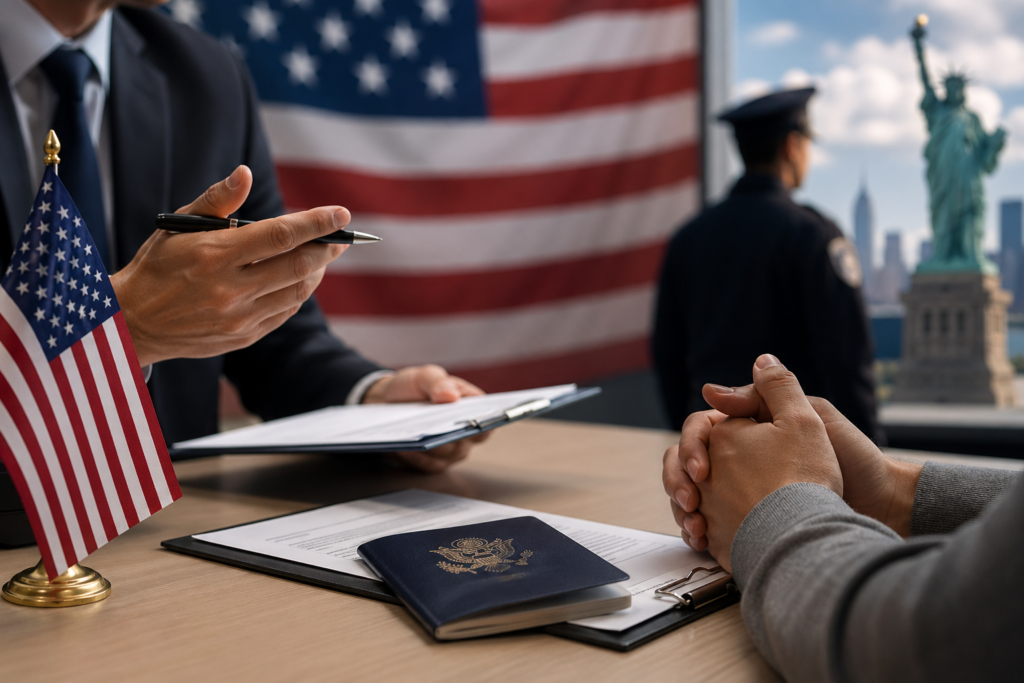
US visa interviews now include must-answer questions that can decide approval or rejection. Officers are focusing on fear of returning home and possible asylum intent. For many applicants, a single answer could now determine their future entry into the United States.
The United States has introduced stricter screening for temporary visa applicants. The policy targets individuals who enter the country legally and later apply for asylum. Officials say the new measures aim to prevent misuse of visitor, student, and work visas. As a result, visa interviews now play a more critical role in determining who can enter the country.
YOU MIGHT ALSO LIKE: FIA Arrests Human Smuggler Over Rs120 Million Fraud
Consular officers must now ask every applicant whether they have suffered harm in their home country. They must also ask whether the applicant fears returning home. These questions were once considered sensitive. However, they are now becoming standard in visa interviews. Authorities believe these answers can reveal whether an applicant may intend to seek asylum after arrival.
New Questions Could Decide Visa Approval
The answers given during the interview can now directly affect the final decision. If an applicant admits fear of returning home, officers may view that as evidence of immigrant intent. Consequently, the applicant may face immediate visa refusal. Even hesitation during the interview can raise concerns. Therefore, applicants now face far greater pressure during a process that was already difficult.
Legal experts warn that false answers could create even more serious problems. If an officer believes an applicant has provided misleading information, the case may be marked as fraud. That finding can lead to a long-term or permanent ban from entering the United States. Because of this, one inaccurate response could damage future travel opportunities permanently.
Impact on Visa Applicants
The policy places genuine travelers in a difficult position. Some applicants may fear that honest answers could lead to rejection. Others may try to avoid discussing personal danger to protect their visa chances. However, silence can later create credibility issues if they eventually apply for asylum. As a result, many applicants now face a system that can punish both honesty and caution.
Immigration lawyers argue that the new rules may hurt vulnerable individuals the most. People escaping real threats may never get the chance to reach American soil. Without entry, they cannot begin the asylum process. Therefore, critics say the policy may close a lawful path for people who genuinely need protection. This has increased concern among immigration advocates.
Pressure on the Immigration Department
The immigration department will also feel the impact of these changes. Consular officers must now make complex judgments in a short interview. They must determine whether fear is genuine or part of a strategy. This responsibility increases pressure on embassy staff worldwide. Consequently, the risk of inconsistent decisions may also grow.
At the same time, more refusals could create additional administrative burdens. Applicants may challenge decisions or reapply with stronger documentation. That could increase workloads for immigration offices already dealing with backlogs. The asylum system itself has struggled for years. Therefore, tighter screening may shift pressure from the border to overseas consulates.
Asylum Approval Rates Have Changed
Before the Trump administration, asylum approval rates were notablyhigher. In fiscal year 2016, immigration courts approved around 15.8 percent of asylum cases. Over time, that number declined as immigration policies became stricter. By fiscal year 2025, the approval rate had fallen to about 9.9 percent. This sharp decline reflects a broader shift in enforcement policy.