
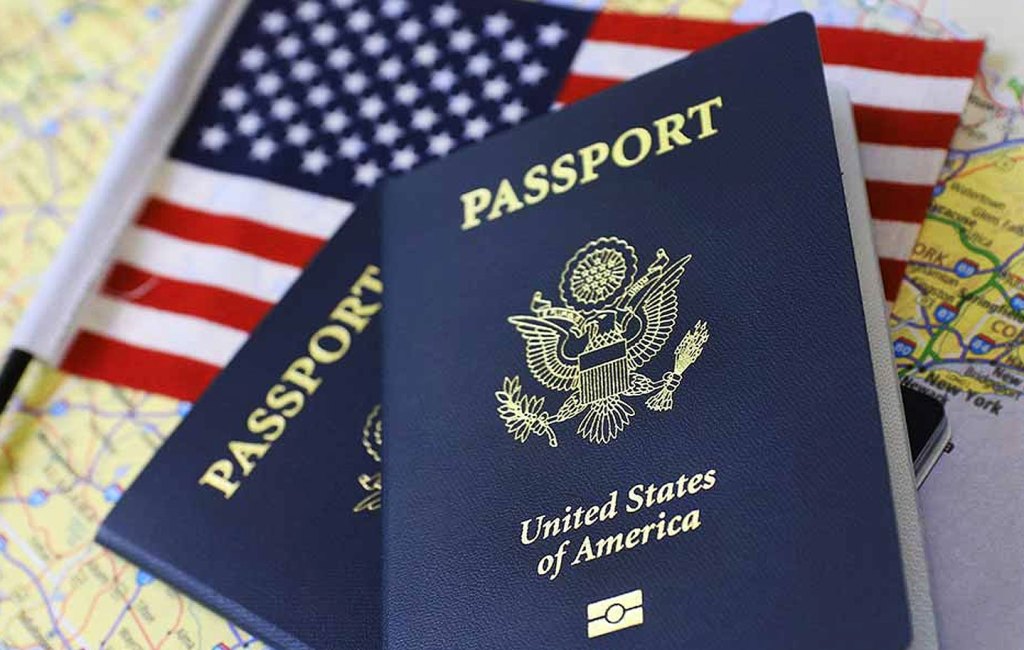
The U.S. State Department has cancelled 2,700 active U.S. passports over unpaid debts, intensifying concerns about travel disruptions and due process. Some Americans reportedly discovered their passports had been revoked only when they arrived at airports for international flights.
Federal officials said the action forms part of a broader enforcement effort involving multiple agencies. Authorities argue that restricting passport access encourages debt repayment, particularly in cases involving significant child support arrears.
Assistant Secretary of State Mora Namdar defended the policy, calling it an effective enforcement tool.
“We are expanding a commonsense practice that has been proven effective at getting those who owe child support to pay their debt,” Namdar said. “Once these parents resolve their debts, they can once again enjoy the privilege of a U.S. passport.”
Officials Defend Policy, Critics Raise Due Process Concerns
Government officials maintain that federal law authorizes passport restrictions for certain unpaid obligations, including child support and tax-related debts. They argue that the policy has helped recover overdue payments.
Civil liberties advocates, however, warn that automated passport revocations can occur without judicial hearings. Critics say the practice risks leaving some Americans stranded abroad or unable to travel for business and family emergencies.
RELATED: U.S. Deports Migrants from Iran, Afghanistan to African Republic
Advocacy groups also fear that lower enforcement thresholds could widen the policy’s impact. Proposals under discussion could allow enforcement actions for debts as low as $2,500 in some cases.
Expansion Could Affect More Travelers
Analysts say passport enforcement could expand further if lower debt thresholds take effect. A broader crackdown would place more Americans at risk of losing travel privileges over smaller financial obligations.
RELATED: Trump’s $100,000 H-1B Visa Fee Is Unlawful, US Judge Rules
Experts note that enforcement systems often broaden once agencies integrate databases and collection mechanisms. Similar expansions have occurred in tax lien enforcement and driver’s license suspension programs.
As federal agencies increase collection efforts, travelers may need to monitor outstanding debts more closely. Experts advise resolving eligible obligations before making international travel plans to avoid unexpected disruptions.