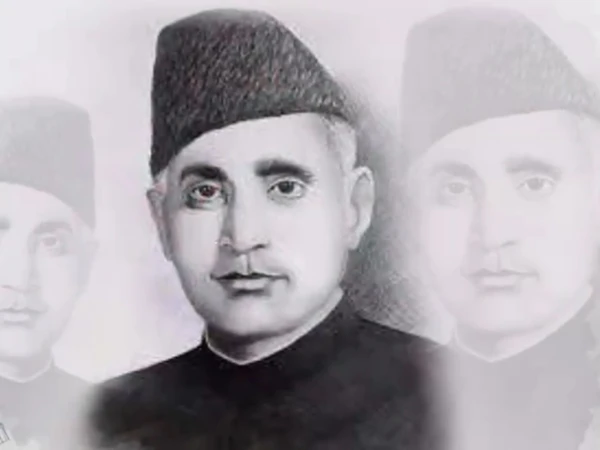
Chaudhry Ghulam Abbas is recognized as one of the most insightful and courageous political leaders of Jammu and Kashmir. Under his leadership, a structured struggle began against Hindu extremism and the oppressive Dogra regime.
The tragic events of 1931, particularly his speech at the Grand Mosque in Jammu, marked a decisive turning point in the Kashmir liberation movement.
On July 13, 1931, after 22 Muslims were martyred outside Central Jail Srinagar, Chaudhry Ghulam Abbas became the first political prisoner of the movement. In 1932, the formation of the All Jammu and Kashmir Muslim Conference provided Kashmiri Muslims with a unified and effective political platform.
Under his leadership, Kashmiri Muslims gained representation in the legislative assembly and collective rights at the state level. In 1947, as the Chief Administrator of Azad Kashmir, he ensured the dignified resettlement of thousands of refugees.
Due to the unwavering trust and admiration of the Kashmiri people, in 1951 he was officially honored with the title “Leader of Kashmir”. Chaudhry Ghulam Abbas emphasized political freedom, strong institutions, and a deep connection with Pakistan as guarantees for Kashmir’s future.
His life remains a shining and undeniable testament to the intertwined histories of Kashmir and Pakistan.