Death Toll Soars to 700 Amid Violent Protests In Tanzania
By News Desk · Published October 31, 2025
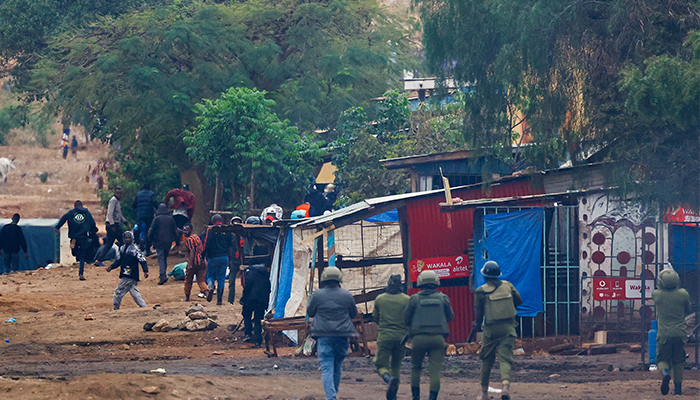
DAR ES SALAAM: The death toll from violent protests in Tanzania, sparked by the disputed presidential election, has risen to 700, according to opposition sources.
The majority of casualties have been reported in Dar es Salaam, where at least 350 people were killed, while more than 200 deaths have been confirmed in Mwanza.
Opposition leaders claim that these figures were compiled by party activists who conducted body counts at hospitals and medical centers across the country. Amnesty International, which has conducted its own investigations, confirmed at least 100 verified deaths, though many fear the true toll is much higher.
The unrest has forced the Tanzanian government to take extreme measures to maintain control. Military forces have been deployed across the country, and a nationwide curfew has been enforced. The government has also imposed a total internet blackout, severely restricting communication within the country and with the outside world.
The protests, which have swept across several cities, escalated as demonstrators stormed key locations, including Dar es Salaam’s main airport. Protesters also set fire to buses, petrol stations, police stations, and even destroyed several polling stations. The violence has intensified as protesters target symbols of government authority, demanding the resignation of President Samia Suluhu Hassan and the annulment of the election results.
In the controversial election, held earlier this week, President Samia Suluhu Hassan claimed a resounding victory, securing 96.99% of the vote. This result has been met with widespread skepticism, particularly after the exclusion of candidates from two major opposition parties, who were disqualified under controversial circumstances. Many observers believe the elections were neither free nor fair, with reports of voter suppression, intimidation, and electoral fraud.
International bodies, including the European Union and the United Nations, have called for an independent investigation into the election process and the subsequent violence. However, the Tanzanian government has dismissed these calls, labeling the protests as "unlawful" and accusing opposition groups of inciting violence.
In response to the unrest, opposition parties have flatly rejected the election results and have demanded the formation of an interim government. They argue that the election was rigged and that the will of the people was not reflected in the outcome. These parties are calling for a new, internationally monitored election to restore faith in Tanzania’s democracy.
The escalating violence has raised concerns about the future of Tanzania’s political stability, with many fearing that the situation could lead to further bloodshed if not resolved peacefully. The international community is closely monitoring the situation, with some countries expressing their concerns over the use of force against protesters and the heavy-handed response of the government.
As tensions continue to rise, the fate of Tanzania’s political landscape remains uncertain, with the potential for more protests and instability in the coming days.