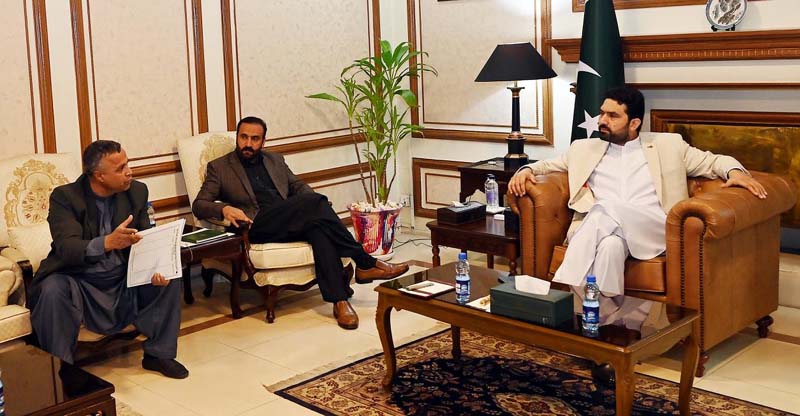
PESHAWAR: Chief Minister Khyber Pakhtunkhwa Muhammad Sohail Afridi has approved the presentation of the Vagrancy Control and Rehabilitation Bill before the provincial cabinet, marking a decisive step in combating organized begging and exploitation across the province.
Describing the proposed legislation as a historic and transformative initiative, the Chief Minister emphasized that it aims to dismantle begging mafias while providing a rights-based, rehabilitative approach for genuine victims of poverty and coercion.
While chairing a high-level meeting at the Chief Minister’s Secretariat, Afridi stated that the new law would no longer tolerate organized begging driven by exploitation, fraud, and coercion. "The state has a constitutional and moral responsibility to protect children from forced begging and ensure their rehabilitation and reintegration into society," he said, underscoring the need to protect vulnerable individuals while holding exploiters accountable. "The new law clearly distinguishes between those who exploit and those who beg out of necessity," he added.
The bill modernizes the existing 2020 vagrancy law, addressing current challenges such as organized begging rings, forced child begging, fake disabilities, and fraudulent practices. For the first time, begging is being treated not just as a law and order issue but as a complex social problem requiring long-term institutional solutions.
Under the proposed legislation, first-time offenders involved in simple begging will face warnings, rehabilitation center placement, or imprisonment for up to one month.
Repeat offenders could face up to one year in prison and fines. Begging through fraud or deception, including fake disabilities, will carry prison sentences of one to two years, while organized begging networks could face up to three years in prison and fines up to 400,000 rupees. Ringleaders and facilitators of such networks will face the strictest penalties under the law.
A key focus of the bill is the protection of children involved in begging. The law stipulates that children will be removed from exploitative environments and placed under child protection laws, with access to welfare and rehabilitation services.