

Mumtaz Hussain
UNITED NATIONS: Pakistan voted in favor of renewing the mandate of the Monitoring Team under the 1988 Taliban sanctions regime, calling the move “timely and necessary” amid growing security concerns in the region.
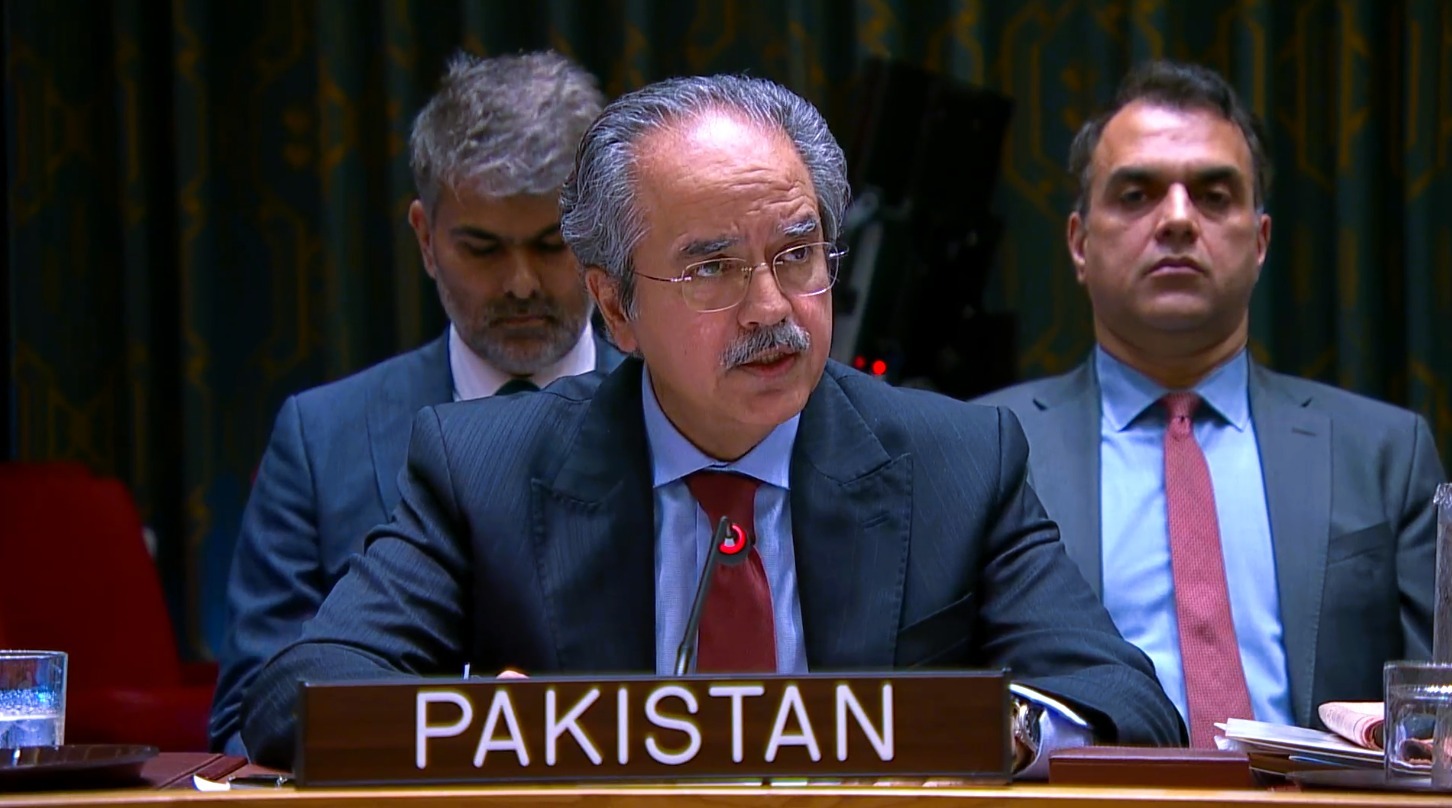
Delivering an explanation of vote, Pakistan’s Permanent Representative to the United Nations, Asim Iftikhar Ahmad, said Islamabad welcomed the unanimous adoption of the resolution by the United Nations Security Council and thanked the United States for helping forge consensus.
The resolution extends for 12 months the mandate of the Monitoring Team supporting the 1988 Taliban sanctions regime, which imposes measures such as asset freezes, travel bans and arms embargoes on designated individuals and entities associated with the Taliban.
Ambassador Ahmad voiced serious concern over what he described as the continued presence of terrorist groups operating from Afghan soil, including the Tehrik-i-Taliban Pakistan (TTP), Balochistan Liberation Army (BLA), the Majeed Brigade, Islamic State – Khorasan Province (ISIL-K/Daesh) and Al-Qaeda.
He said these groups had carried out “heinous terrorist attacks” against Pakistan, including incidents of hostage-taking. According to the statement, attacks claimed by BLA and Daesh earlier this month resulted in the deaths of 80 people in Pakistan.
He reiterated that Afghan territory must not be used for terrorism against neighboring countries and called for efforts to prevent external spoilers from exploiting the situation.
Pakistan said the Council’s resolution sends a clear signal to the Taliban authorities that Afghan territory should not be used to threaten or attack any country, and that no Afghan individual or group should support terrorists operating abroad.
The resolution also calls on all member states to prevent kidnappers and terrorist groups from benefiting from ransom payments or political concessions and stresses the need to secure the safe release of hostages.
Ahmad urged the Taliban to honor their counterterrorism commitments through sustained and verifiable actions aimed at ensuring lasting peace and security.
Beyond security issues, Pakistan highlighted Afghanistan’s worsening humanitarian crisis, economic collapse, drug trafficking, political exclusion and the deteriorating human rights situation, particularly restrictions affecting women and girls.
The ambassador noted that the Council remains committed to reviewing the sanctions regime when appropriate, taking into account developments on the ground.
He said the Monitoring Team plays an important role in providing the Council with insights on Afghanistan’s security landscape and expressed hope it would continue to report actively in support of the 1988 Taliban Sanctions Committee.
“It is for the Taliban to decide what path they wish to choose for Afghanistan,” Ahmad said, “whether it is the path to isolation or the path to peace and prosperity as a responsible member of the international community.”

Comments are closed.