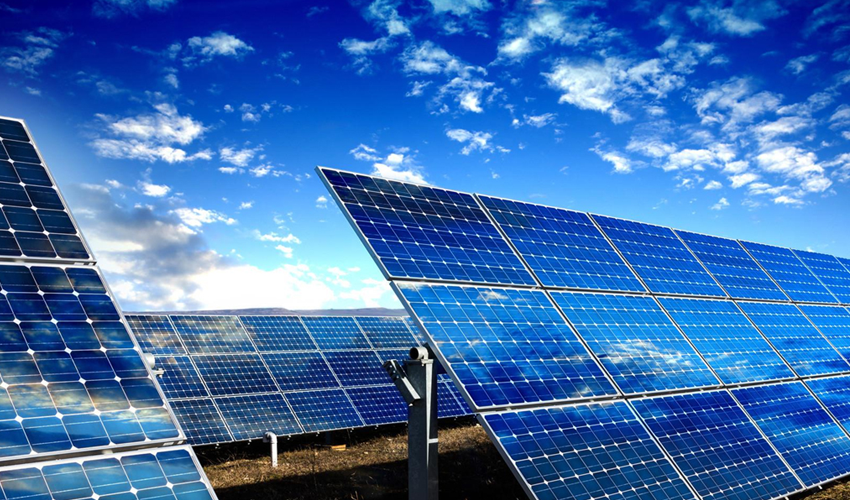
ISLAMABAD: Pakistan is undergoing an extraordinary transformation in its energy landscape, with the share of solar power in the national electricity system projected to reach nearly 20% by 2026, according to a detailed assessment released by the World Resources Institute (WRI).
Beginning from an almost negligible base in 2015, Pakistan’s solar expansion has advanced at an exceptional pace, surprising global observers and energy analysts alike.
The WRI notes that Pakistan is currently experiencing one of the most striking, citizen-driven shifts toward renewable energy in its history, reshaping both consumption patterns and energy-sector dynamics.
In 2025 alone, Pakistan has imported $1.5 billion worth of solar panels, elevating the country to the position of the third-largest solar panel importer worldwide.
This surge reflects rapidly increasing public adoption and a pronounced shift toward decentralised, household-level energy solutions.
The report say Pakistan imported an astounding 22 gigawatts of solar panels in 2024—
a volume that surpasses the United Kingdom’s total installations over the past five years and even exceeds the cumulative solar capacity deployed in Canada throughout its entire history. These numbers underscore the scale and speed of the transition taking place.
Energy analysts observe that the rapid spread of rooftop and small-scale solar systems has already begun altering national electricity demand trends.
Studies have shown that daytime power consumption in several regions has dropped by nearly 6,000 megawatts, largely due to widespread solarization among homes, businesses, and agricultural consumers.
According to the WRI, Pakistan is currently passing through a transformational phase marked by unprecedented public initiative, one that is redefining the country’s reliance on conventional energy sources and paving the way for a more sustainable, cost-effective, and decentralised power structure.