
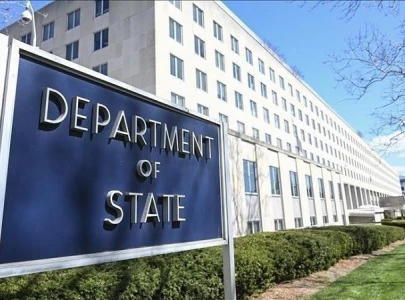

WASHINGTON: The U.S. Department of State has announced a major change in the screening process for H‑1B visa applicants, introducing enhanced vetting procedures for all applicants and their dependents.
The policy, which takes effect on December 15, 2025, is expected to significantly impact tech-sector workers from countries such as India and Pakistan.
Under the new guidelines, consular officers will conduct in-depth reviews of applicants’ social media profiles and online presence. Applicants, along with their accompanying family members, are required to make their social media accounts public for inspection.
The enhanced vetting focuses particularly on individuals who have worked in content moderation, online safety, fact-checking, or roles involving the review or suppression of online content.
Visa applicants who have been involved in what U.S. authorities classify as censorship or suppression of protected speech could face visa denial.
Officials say the policy aims to strengthen national security and public safety by ensuring that those entering the U.S. under the H‑1B program do not pose risks associated with content manipulation or censorship.
Experts warn that this policy could have a major impact on foreign tech professionals, many of whom hold H‑1B visas to work in the U.S. technology and financial sectors.
The review process is expected to be more thorough and time-consuming, potentially leading to longer processing times and a higher rate of denials.
The State Department has emphasized that the new vetting is not targeted at any specific nationality, but tech-sector workers from countries that traditionally supply large numbers of H‑1B visa holders are likely to be most affected.–Reuters

Comments are closed.