Special Correspondent
UNITED NATIONS: Pakistan has stated that prevention, peacemaking, peacekeeping, peacebuilding, and development are not isolated, but interconnected parts of a holistic effort to sustainable peace and development.
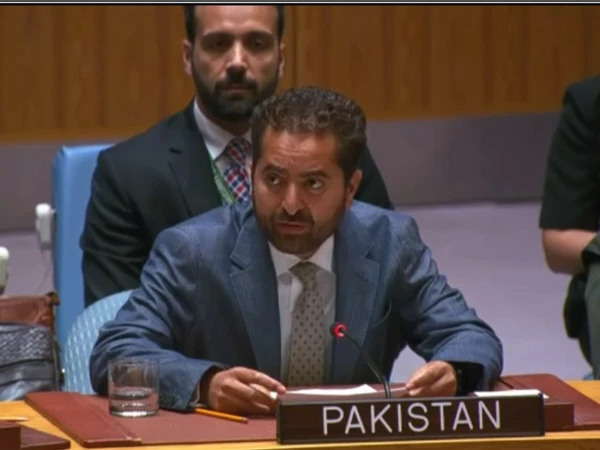
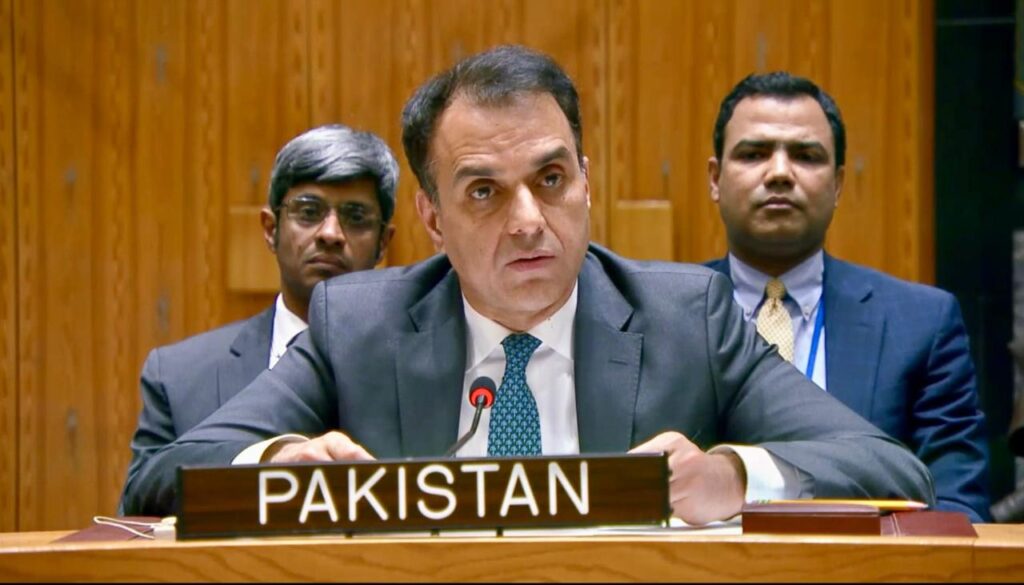
Delivering national statement at the Annual Session of the Peacebuilding Commission on the theme of “UN Peacebuilding@20: Partnerships for Innovation, Inclusion and Impact”, Ambassador Usman Jadoon, Deputy Permanent Representative of Pakistan to the UN, stated that experience has shown that ending violence alone does not secure peace.
“Peace can best be sustained when societies begin to experience its dividends – when institutions regain legitimacy, trust is restored, opportunities expand, and people see tangible improvements in their daily lives,” he emphasized.
Ambassador Jadoon said that sustainable peace requires strong institutions, social cohesion, economic opportunities, and nationally owned pathways to recovery.
Sustainable peace cannot be imposed, it must be built, owned and led by national actors with the full support of an engaged international community, he said.
He said that Pakistan shares the concern about the growing challenges to multilateral commitments that underpin peacebuilding including on financing and normative frameworks.
The Deputy Permanent Representative expressed Pakistan’s strong support for the work of the Peacebuilding Fund as an important instrument for translating political commitments into practical impact on the ground.
He said that its flexibility, catalytic nature, and responsiveness to national priorities make it indispensable within the broader peacebuilding architecture.
“It is encouraging to hear today, including from the countries who have benefitted from PBC and PBF on how partnerships supported by the Fund have delivered meaningful results for communities,” he said.
Ambassador Jadoon said that the new Peacebuilding Architecture was itself an innovation designed to harness inclusion and enhance impact. At twenty, the Peacebuilding Architecture should inspire renewed confidence that multilateral cooperation can still deliver sustainable peace.