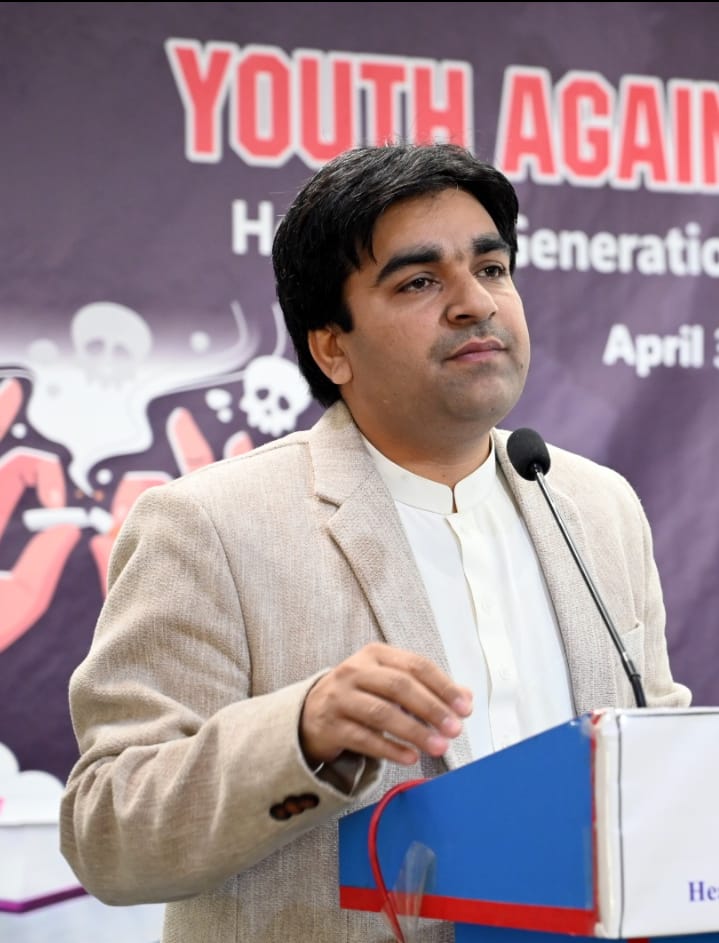
ISLAMABAD: The Society for the Protection of the Rights of the Child (SPARC) has highlighted the public health and fiscal implications of cigarette, estimating that it could generate Rs. 51 billion in additional revenue while lowering tobacco consumption and associated costs.
Dr. Khalil Ahmad, Program Manager at SPARC, highlighted the need for strengthened tobacco taxation in the context of Pakistan’s public health and fiscal challenges. He added that international evidence shows tobacco taxation is commonly associated with reduced tobacco use. Such measures may contribute to increased revenue generation, lower consumption levels, reduced healthcare costs, and fewer preventable deaths.
Pakistan is currently facing a considerable tobacco burden, with an estimated 31 million adults using tobacco products. Tobacco related diseases are responsible for more than 192,000 deaths annually, including approximately 526 deaths each day, primarily due to cardiovascular diseases, cancer, and other smoking related illnesses. It was further noted that Federal Excise Duty (FED) rates on cigarettes have remained unchanged since February 2023, resulting in a reduced tax share in retail prices and greater affordability, particularly for low cost brands.
Over the same period, Pakistan has witnessed a steady increase in fuel prices and the cost of essential commodities, contributing to broader inflationary pressures on household budgets. In contrast, cigarette taxation has remained largely unchanged since 2023, leading to relatively stable cigarette prices compared to other goods and services. This divergence has, in real terms, increased the affordability of cigarettes, especially low-priced brands, despite the overall rise in the cost of living.
Dr. Khalil Ahmad stated that the economic burden of tobacco use is substantial. Health-related costs attributed to tobacco are estimated at approximately Rs. 1,835 billion, around 1.6 percent of GDP, which far exceeds the Rs. 266 billion collected in tobacco tax revenue. This indicates that for every rupee earned from tobacco taxation, Pakistan spends nearly seven rupees on treating tobacco related diseases, resulting in a significant net economic loss.
To address this crisis, SPARC has proposed an increase in the Federal Excise Duty (FED) on cigarettes in the forthcoming federal budget. The proposal recommends raising taxes by Rs. 35 per pack on low cost cigarette brands and Rs. 21 per pack on premium brands, alongside a gradual transition toward a uniform tax structure. This reform aims to reduce cigarette affordability particularly among children and young people and to discourage consumers from switching to cheaper brands.
Evidence indicates that higher tobacco taxation is among the most effective measures to reduce tobacco consumption. According to SPARC’s analysis, the proposed tax increase could generate up to Rs. 51 billion in additional revenue, prevent approximately 370,000 youth from initiating smoking, and encourage nearly 270,000 existing smokers to quit or reduce consumption. These outcomes would contribute to improved public health while strengthening fiscal stability.
Aligned with global best practices, including the WHO Framework Convention on Tobacco Control (FCTC) and the WHO’s MPOWER strategy, SPARC emphasized that increasing tobacco taxes delivers a dual benefit: safeguarding public health and enhancing government revenue.