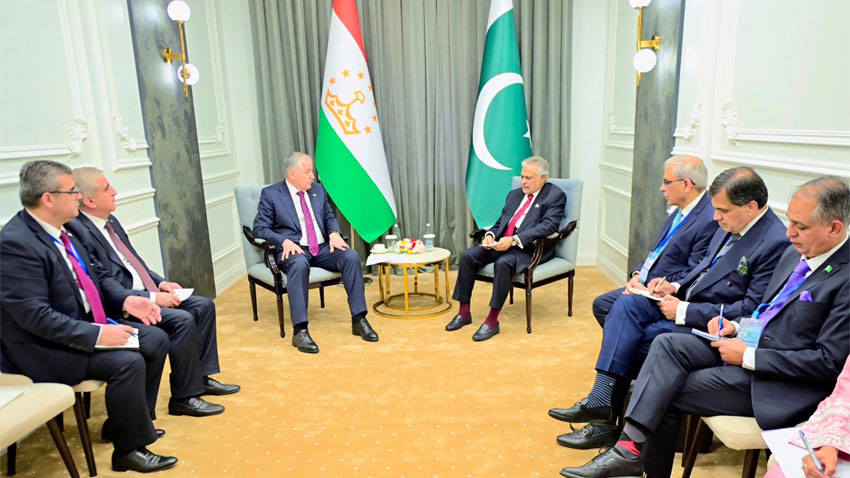
ISLAMABAD: Pakistan and the International Monetary Fund have concluded key negotiations on budget targets and economic policies for the upcoming fiscal year, with both sides agreeing on the need to broaden the country’s tax base and maintain fiscal discipline.
The IMF delegation, led by mission chief Eva Pervaiz, visited Pakistan from May 13 to 20 and held detailed discussions with federal authorities on budget planning, tax reforms, and macroeconomic stability.
According to an official statement, Pakistan reaffirmed its commitment to achieving a primary surplus target of 2 percent of GDP in fiscal year 2027. The IMF, however, stressed the urgency of expanding the tax net to include more sectors and improve revenue collection.
The visiting delegation also urged the government to rationalize expenditures and accelerate the pace of structural reforms to ensure long-term economic stability. It was further agreed that the State Bank of Pakistan would continue its tight monetary policy to curb inflation, alongside maintaining a flexible exchange rate regime.
Sources said the IMF has recommended an 18 percent increase in petroleum levy targets, with the current levy standing at over Rs108 per litre. The Fund also advised against granting new tax exemptions for Special Economic Zones and suggested phasing out existing incentives by 2035.
Provincial governments have been assigned an additional revenue collection target of Rs430 billion, while they are expected to generate a combined surplus of around Rs2 trillion for the federation.
The Federal Board of Revenue (FBR) has been given a six-month revenue target of Rs7,022 billion by December 2026. Pakistan’s external financing needs for the next fiscal year are estimated at $21.2 billion.
The IMF has also proposed new tax measures worth Rs430 billion and projected economic growth at 3.5 percent, with average inflation expected to hover around 8.4 percent.
In a relief-oriented measure, both sides reached a preliminary understanding to increase payments under the Benazir Income Support Programme from Rs14,500 to Rs18,000, aiming to provide additional support to vulnerable segments of society.