NEW YORK: A federal judge in New York has blocked most ICE arrests at major Manhattan immigration courts. The ruling delivered a significant setback to the Trump administration’s immigration enforcement strategy.
US District Judge P. Kevin Castel barred federal agents from making arrests inside or near three immigration courthouses. The order applies to 26 Federal Plaza, 201 Varick Street, and 290 Broadway in Lower Manhattan.
The decision followed mounting criticism from civil rights groups and immigration advocates. They argued the arrests discouraged migrants from attending legal hearings and asylum proceedings.
Judge Castel said immigrants must access court proceedings without fearing immediate detention. However, the ruling still allows arrests under exceptional public safety circumstances.
Court Rebukes Previous ICE Policy
The ruling came months after federal prosecutors admitted they wrongly defended ICE’s courthouse arrest policy. Manhattan prosecutors acknowledged they relied on a Department of Homeland Security memo that never applied to immigration courts.
The court described the earlier legal position as based on a “clearly erroneous premise.” Judge Castel also warned that unrestricted courthouse arrests could undermine due process protections.
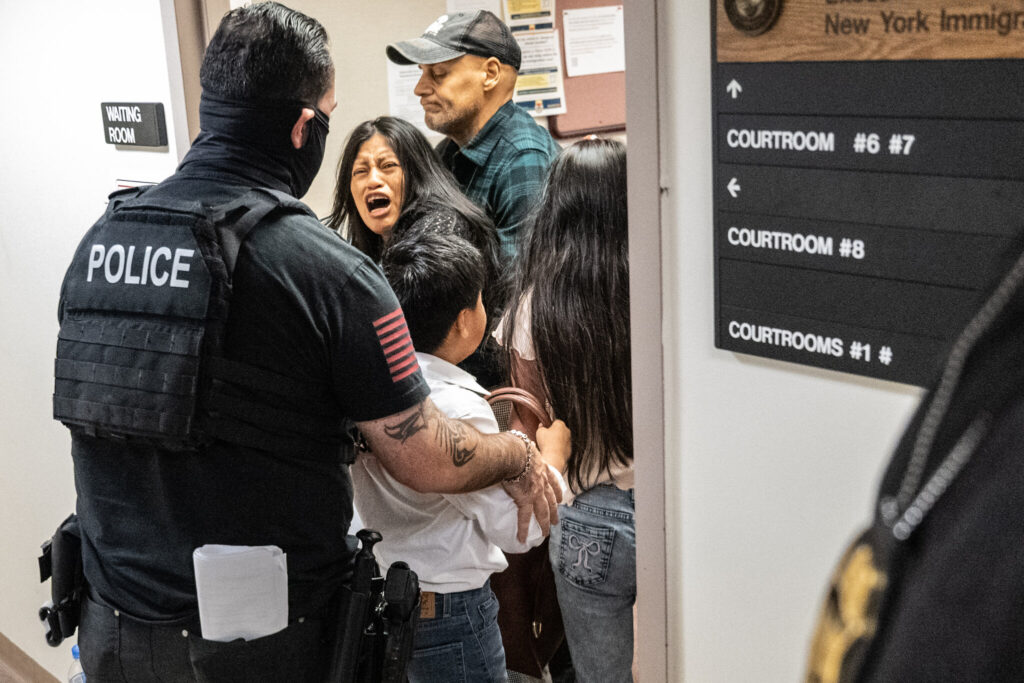
The controversial enforcement policy emerged during the Trump administration’s intensified immigration crackdown. ICE agents frequently detained migrants immediately after court hearings. Some arrests occurred in crowded courthouse hallways before shocked family members.
Advocacy organizations, including the ACLU and Make the Road New York, welcomed the decision. They called the ruling a major victory for immigrant rights and judicial fairness.
The decision arrives amid growing national scrutiny of ICE operations and enforcement tactics. Immigration arrests and confrontations have triggered protests in several American cities.
Critics accused ICE of creating fear around immigration hearings and discouraging lawful court participation. Supporters of stricter enforcement argued the agency must maintain authority to enforce immigration laws.
The legal battle over courthouse arrests is expected to continue in federal courts. Immigration advocates believe the ruling could influence similar challenges across the United States.