UAE’s OPEC Exit Raises New Questions for Global Oil Markets and Regional Allies
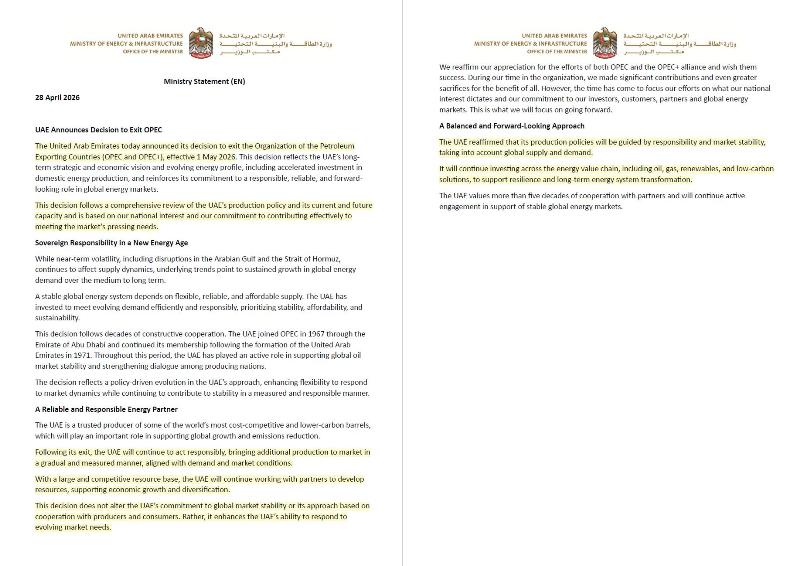
The United Arab Emirates announced that it will leave the OPEC on May 1, ending more than five decades inside the producer group. Abu Dhabi said the move supports its long-term energy strategy and gives it greater control over production policy.
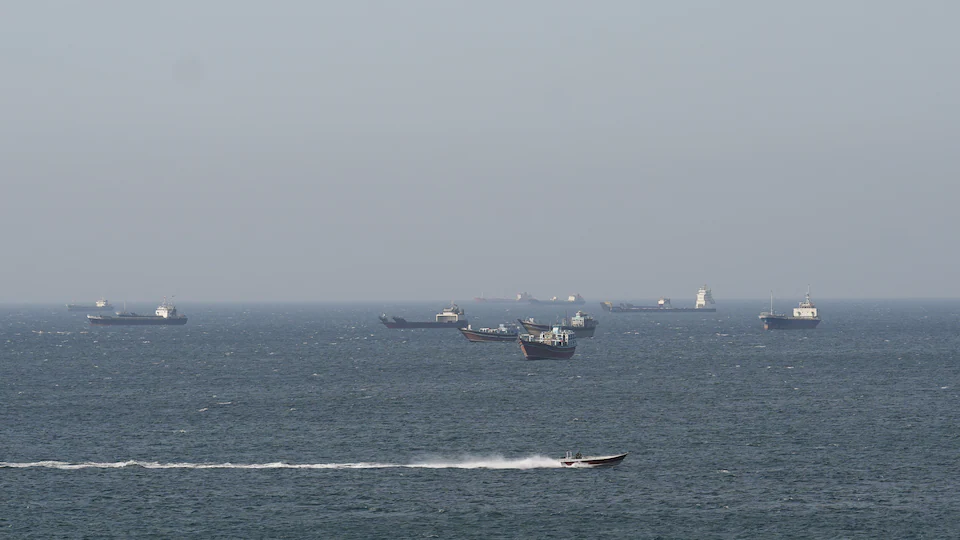
The UAE made this decision while Middle East tensions continue to disrupt shipping routes near the Strait of Hormuz. That narrow waterway handles a major share of global crude exports. Because of that backdrop, the announcement has amplified market attention far beyond the Gulf.
The exit also weakens OPEC’s collective influence. The UAE remains one of the world’s larger producers. Its departure reduces the bloc’s ability to coordinate supply with the same discipline. Investors now fear sharper price swings if other producers also choose national strategy over group stability.
Global traders are now watching one question. Will the UAE increase production after leaving? If Abu Dhabi pumps more crude, oil prices could ease. However, if geopolitical risks worsen, prices may still remain elevated despite higher supply.
Why the Timing Is Sensitive
The UAE did not choose a calm moment. It moved during a period of regional military tension and fragile energy logistics. That makes the decision look strategic rather than symbolic. Markets often react more strongly when structural policy shifts happen during instability.
RELATED: From Handshakes to Airstrikes: The Real Story Behind U.S. Peace Deals
The move also sends a message to major producers. It signals that Gulf states may increasingly prioritize national flexibility over cartel discipline. That could reshape how energy alliances work in the coming years.
Saudi Arabia may feel the pressure first. Riyadh has long carried the burden of balancing oil markets. The UAE’s departure could force Saudi policymakers to reassess how much market control OPEC can still maintain.
What It Means for Pakistan
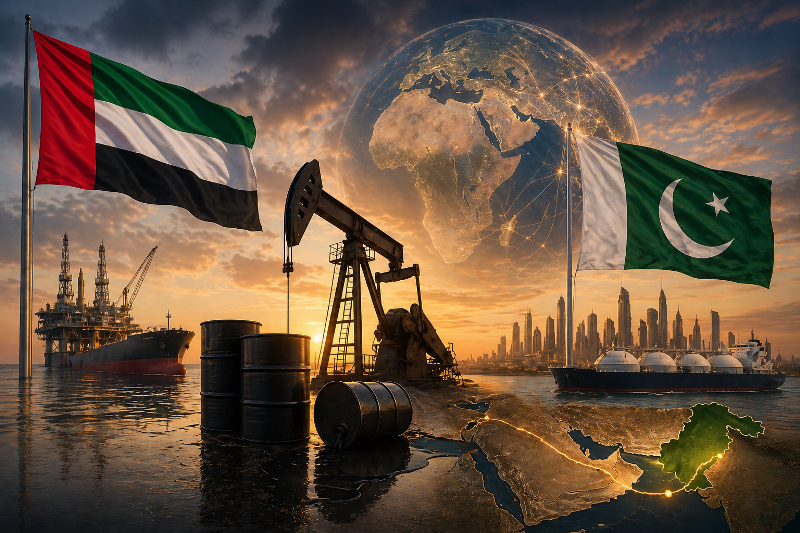
Pakistan may not face an immediate direct shock. However, Pakistan remains highly exposed to Gulf energy flows and oil prices. Much of its imported crude comes from Gulf suppliers, including the UAE.
That creates an indirect risk. If the UAE’s exit increases volatility, Pakistan could face higher import costs. That would pressure inflation, transport costs, and foreign exchange reserves. Pakistan is already vulnerable to fuel price swings.
The UAE also matters beyond oil. Bilateral trade between Pakistan and the UAE exceeds $10 billion annually, while remittances from Pakistanis in the Emirates remain a major support for Pakistan’s economy. That means any prolonged economic shift in the Gulf can eventually spill into Pakistan through:
- higher fuel bills
- slower remittance growth
- weaker trade conditions
- added pressure on the rupee
The direct impact today may be limited. The longer-term exposure is where Pakistan should pay attention.
Wider Global Consequences
The UAE’s departure could reshape oil diplomacy. For years, OPEC worked as a coordinated pricing mechanism. This move suggests some members now see more value in independent production than in collective restraint.
That could create three outcomes:
- more volatile oil prices
- weaker OPEC credibility
- stronger competition among Gulf exporters
Energy consumers may welcome lower prices. However, investors usually dislike uncertainty more than expensive oil. That is the deeper issue. The market now faces a new era where national interests may override traditional energy alliances.