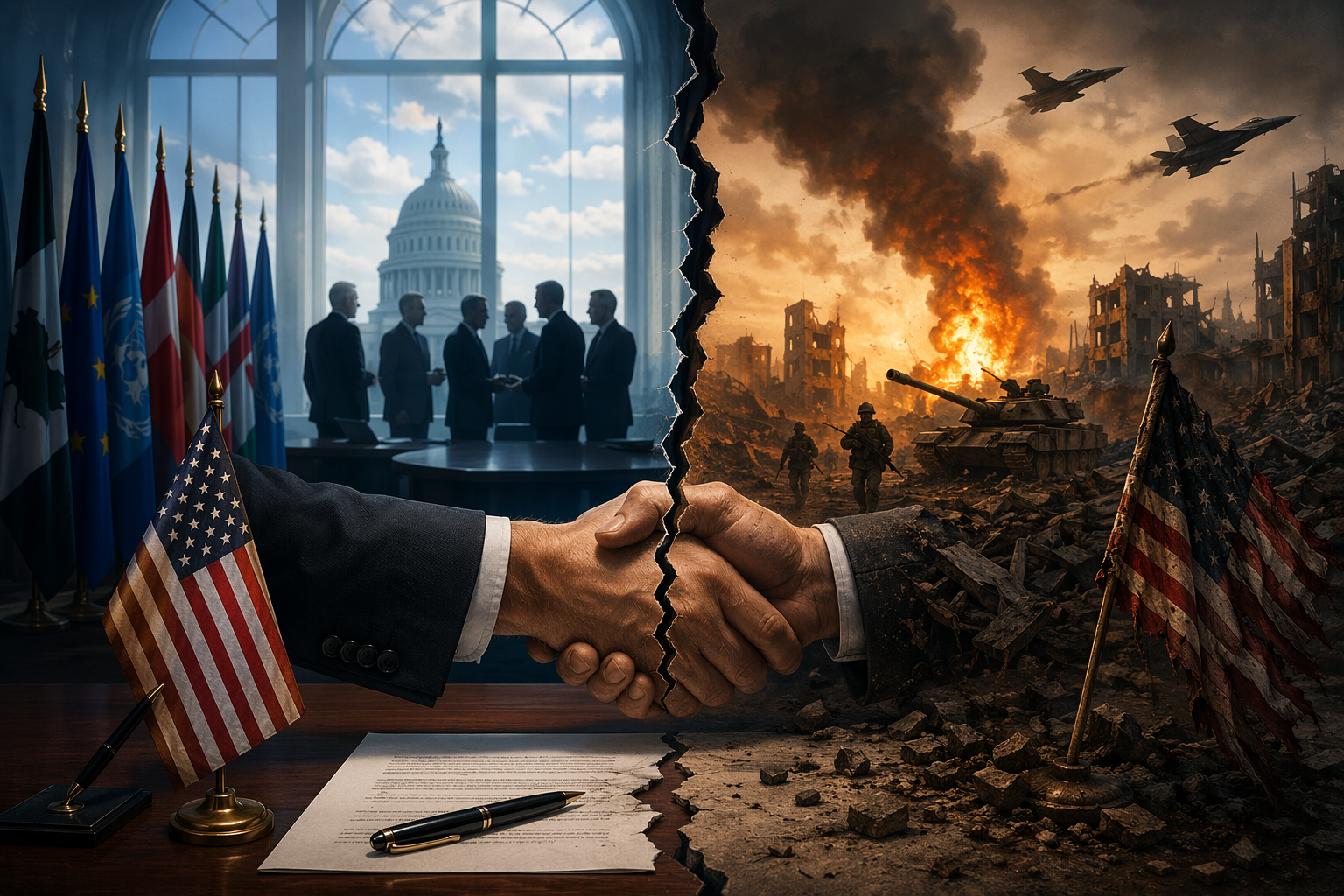
The history of U.S. diplomacy reveals a recurring contradiction between stated commitments and strategic outcomes. Washington often frames agreements as peace-building tools. However, a closer look shows repeated disengagements, reversals, or parallel military actions. These patterns raise serious questions about credibility, intent, and long-term global stability.
The pattern does not emerge from a single administration. Instead, it stretches across decades, political parties, and geopolitical contexts. From Cold War arms control to modern Middle East conflicts, each case reflects calculated statecraft rather than consistent diplomacy.
Crucially, the issue is not negotiation itself. The problem lies in what follows withdrawal, reinterpretation, or outright escalation. This investigative review examines major agreements individually, exposing how each unfolded and where the United States shifted course.
Cold War Calculations & Strategic Containment
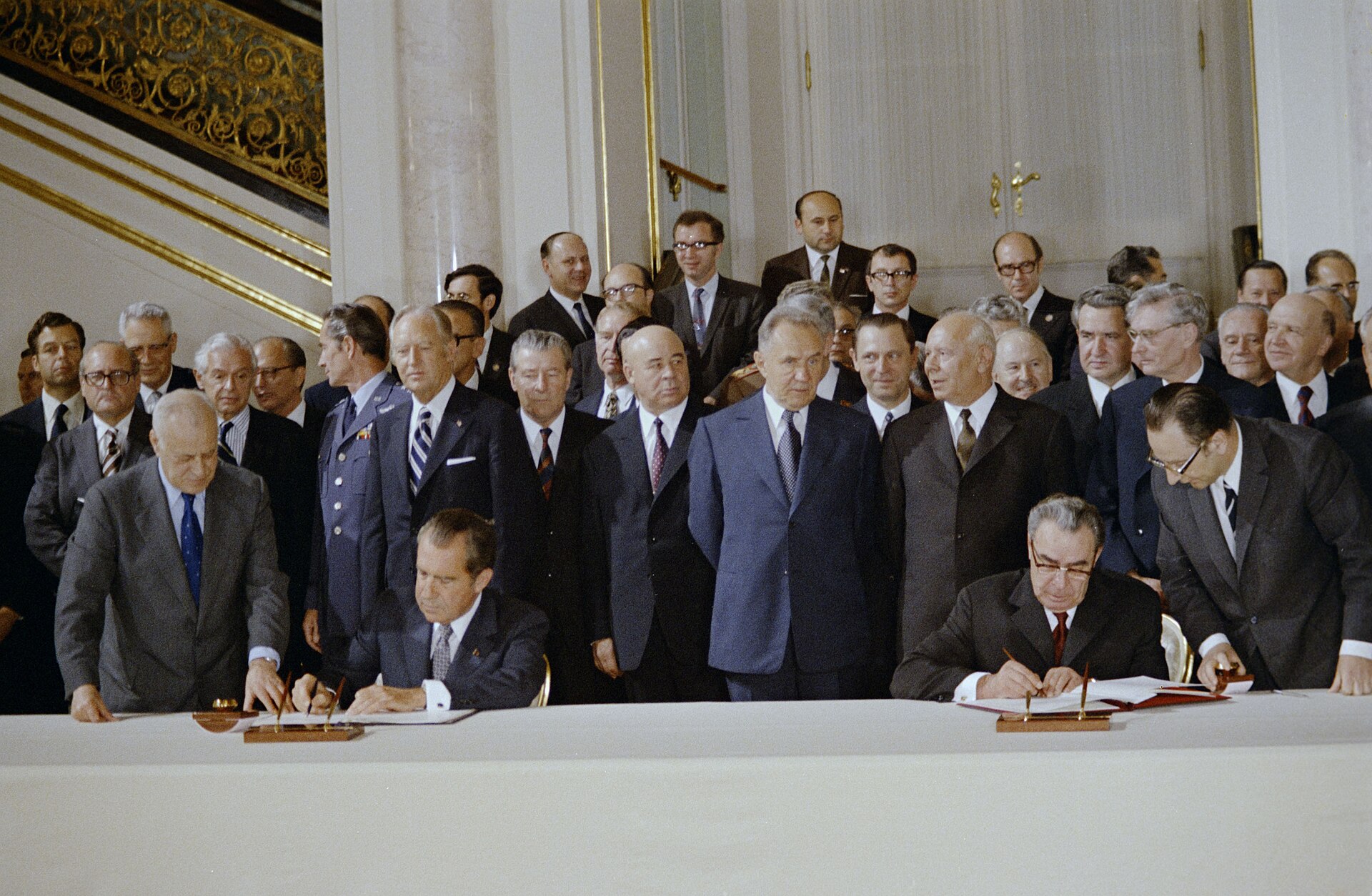
The Strategic Arms Limitation Talks (SALT I) marked a pivotal Cold War milestone. Richard Nixon and Leonid Brezhnev finalized the accord in Moscow in 1972. The treaty aimed to cap nuclear missile launchers and stabilize superpower tensions. However, Washington continued proxy conflicts across Asia, Africa, and Latin America. This contradiction undermined the treaty’s peace narrative. Instead of de-escalation, the U.S. preserved strategic dominance while negotiating limits.
The Camp David Accords followed a similar pattern. Jimmy Carter mediated between Anwar Sadat and Menachem Begin. The agreement secured peace between Egypt and Israel. However, it deliberately excluded Palestinian statehood. This omission reshaped regional power dynamics. Egypt exited the conflict equation, while Israeli expansion continued. The U.S. effectively consolidated influence under a peace framework that ignored core grievances.
The Intermediate-Range Nuclear Forces Treaty initially signaled genuine arms reduction. Ronald Reagan and Mikhail Gorbachev eliminated an entire missile class. Yet decades later, Washington withdrew in 2019 under Donald Trump. The move cited Russian violations. However, it also reopened the door for missile deployment. This reversal reignited arms competition, exposing the fragility of long-term commitments.
Broken Promises & Collapsing Frameworks
The 1994 Agreed Framework with North Korea attempted to freeze Pyongyang’s nuclear ambitions. The Bill Clinton administration pledged energy assistance and normalization. However, Washington delayed reactor construction and fuel deliveries. Later, George W. Bush labeled North Korea part of the “Axis of Evil.” This shift collapsed the agreement. Consequently, North Korea accelerated its nuclear program instead of abandoning it.
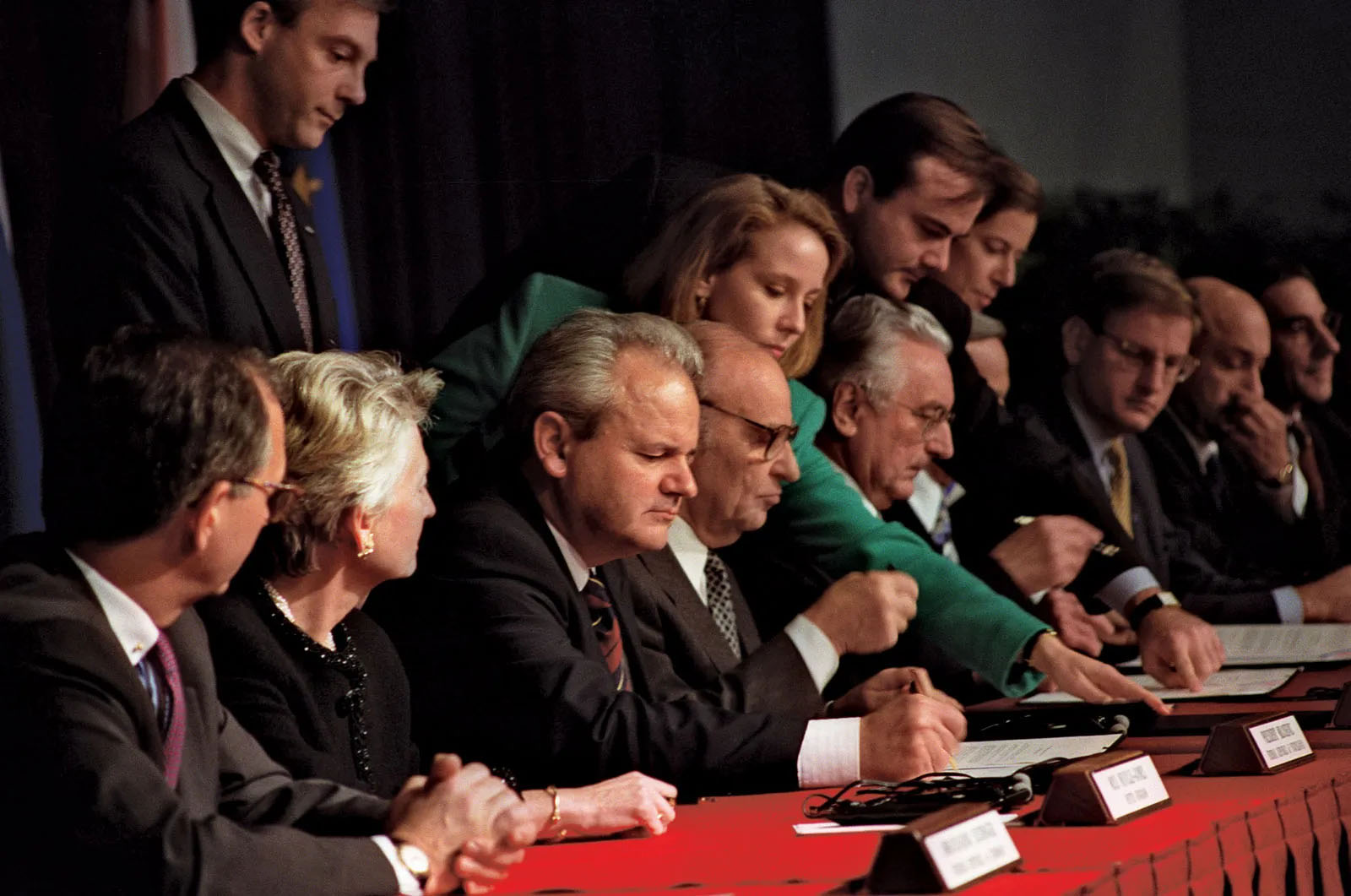
The Dayton Accords aimed to end the Bosnian War. Leaders like Slobodan Milošević, Franjo Tuđman, and Alija Izetbegović negotiated under U.S. oversight. Despite diplomatic engagement, atrocities like the Srebrenica genocide occurred during the process. This failure exposed the limits of negotiation without enforcement.
The U.S. approach toward China and Iraq further demonstrates selective engagement. Washington supported China’s entry into the World Trade Organization after years of negotiation. Yet it later weaponized trade through tariffs and restrictions. Meanwhile, the 2003 invasion of Iraq bypassed diplomacy entirely. The U.S. justified intervention through claims of reform and security. However, the war destabilized the region and weakened global trust in American commitments.
Multilateral Talks Undermined by Strategic Pressure
The Six-Party Talks involved six nations addressing North Korea’s nuclear program. Despite years of dialogue, Washington emphasized sanctions over compromise. This strategy eroded trust and stalled progress. Eventually, North Korea withdrew and expanded weapons testing.
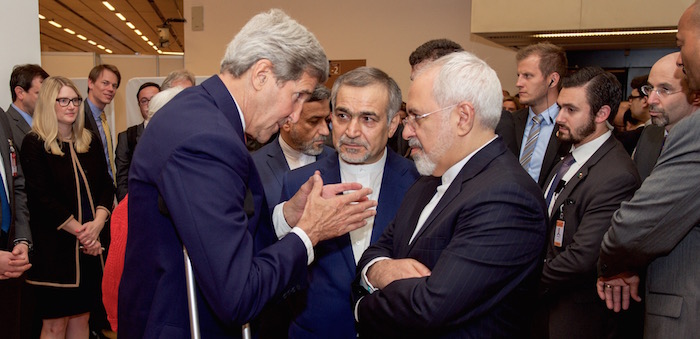
The Joint Comprehensive Plan of Action (JCPOA) stands as a modern example of diplomatic reversal. Barack Obama negotiated the deal with Hassan Rouhani and global powers. The agreement imposed strict limits on Iran’s nuclear program. However, in 2018, Donald Trump unilaterally withdrew. Washington then imposed “maximum pressure” sanctions. This move dismantled years of diplomacy and escalated regional tensions.
The Minsk Accords sought to resolve conflict in eastern Ukraine. While European actors led negotiations, U.S. policy focused heavily on military aid. Critics argue this approach sidelined diplomatic enforcement. The failure of Minsk contributed to the escalation into full-scale war in 2022.
Related: Trump Signals Another US-Iran Talks in Islamabad
High-Profile Diplomacy with Limited Outcomes
The summits between Donald Trump and Kim Jong Un in 2018 and 2019 generated global attention. These meetings marked historic engagement. However, Washington refused to ease sanctions without complete denuclearization. This rigid stance led to collapse. The talks ended without tangible results, leaving tensions unresolved.
The Abraham Accords reshaped Middle Eastern alliances. The U.S. brokered normalization between Israel and Arab states like the UAE and Bahrain. However, the agreements ignored the Palestinian issue. This omission created an imbalance. It strengthened alliances while deepening unresolved conflicts.
Backchannel diplomacy between 2022 and 2024 further illustrates contradictions. The U.S. engaged in quiet talks with Iran and monitored Russia-Ukraine negotiations. Simultaneously, it expanded military support and regional deployments. This dual-track strategy weakened diplomatic credibility and prolonged conflicts.
Escalation in the Middle East: From Shadow War to Direct Conflict
The long-standing Iran-Israel shadow war escalated dramatically in 2024. Israeli strikes on Iranian assets triggered direct retaliation. Iran launched large-scale drone and missile attacks. The conflict quickly intensified through targeted assassinations and counterstrikes.
U.S. involvement moved beyond diplomacy. Washington deployed advanced defense systems and increased military presence. This shift marked a transition from mediator to active participant. The escalation undermined ongoing diplomatic efforts and heightened regional instability.
RELATED: UN Chief Stresses Continued Dialogue on Middle East Crisis
Strategy or Pattern: Diplomacy as Tactical Leverage
A consistent pattern emerges across these cases. The U.S. engages in negotiations but often shifts strategy when conditions change. Agreements become flexible tools rather than binding commitments. This approach prioritizes strategic advantage over long-term stability.
Sanctions further complicate diplomacy. Washington frequently uses economic pressure alongside negotiations. This dual strategy weakens trust and reduces the effectiveness of agreements. Partners question whether commitments will endure beyond political cycles.
Ultimately, the credibility gap continues to widen. Each withdrawal or policy reversal reinforces skepticism. Diplomacy loses effectiveness when participants doubt enforcement and continuity.
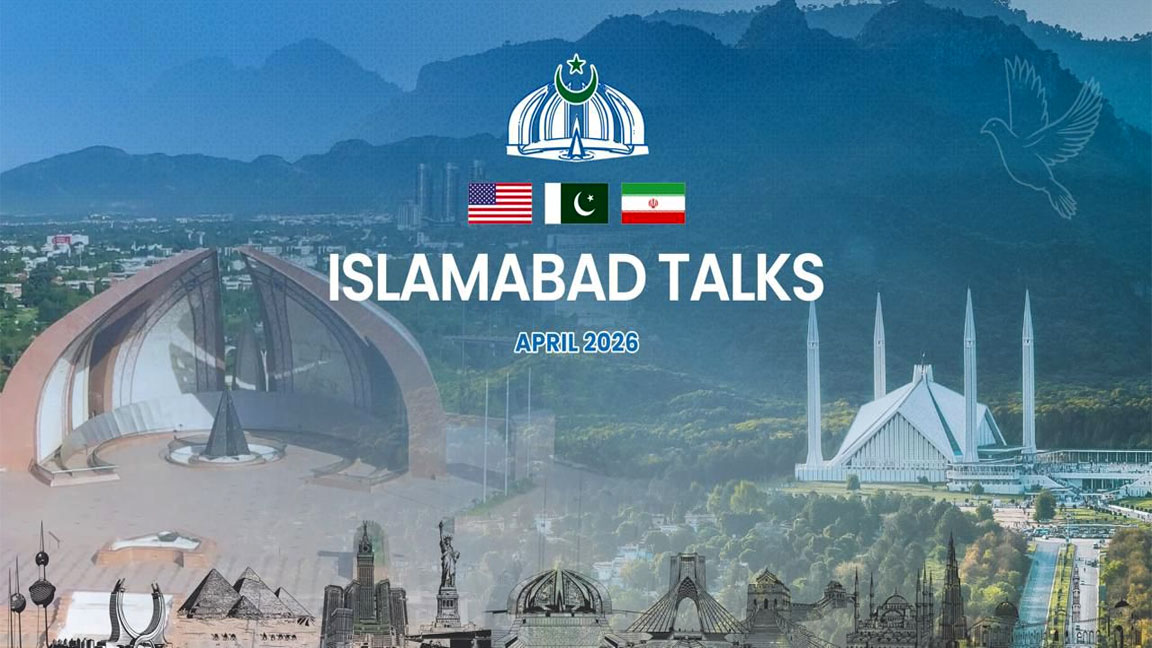
A critical look at current American and Israeli policy reveals that negotiations often serve as a tactical delay rather than a path to peace.
- The “Ceasefire” Distraction: Historical data suggests a disturbing trend: while the U.S. engages in “ceasefire talks” in Gaza, it simultaneously provides the lethal hardware used to expand conflicts in Lebanon and Iran.
- Sanctions as Warfare: Along with military action, the U.S. has leveraged oil trade bans and financial sanctions to cripple Iran’s economy, aiming to strip it of its defensive capabilities under the guise of “regional security.”
As Pakistan currently attempts to facilitate dialogue to end the hostilities, the million-dollar question remains: Will these efforts bear fruit, or is the world witnessing another chapter of the “diplomatic stall”? History warns us that when the U.S. is involved, negotiations are often a shield for the status quo rather than a bridge to peace.