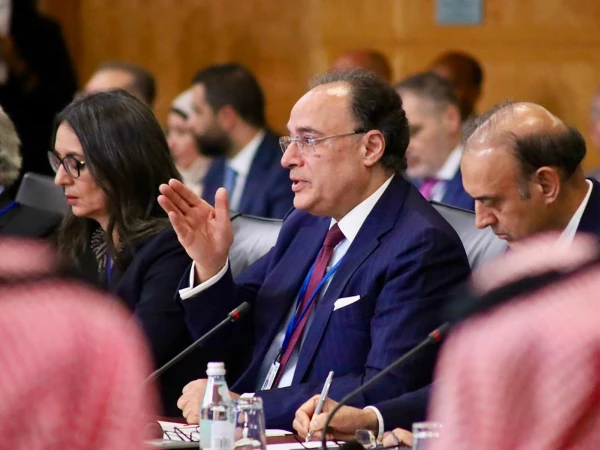
WASHINGTON: Finance Minister Muhammad Aurangzeb has warned that the ongoing crisis in the Middle East has triggered one of the largest supply shocks in recent history, posing serious challenges to global and regional economies.
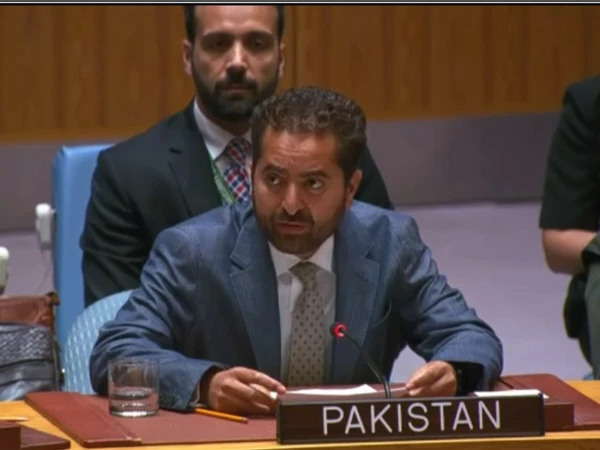
Speaking at the 2026 Spring Meetings of the International Monetary Fund and World Bank, the finance minister addressed a high-level session of the MENAP (Middle East, North Africa, Afghanistan, and Pakistan) region. The meeting brought together finance ministers, central bank governors, and heads of regional financial institutions.
He said that Pakistan had already begun taking measures to mitigate the early impacts of the crisis. These include adjustments in import strategies, pricing mechanisms, and logistics systems to ensure continuity in supply chains.
He emphasized that the government is shifting away from broad-based subsidies toward targeted support for vulnerable segments of society, aiming to shield low-income groups from the economic fallout.
The finance minister further stated that the government, in coordination with the State Bank of Pakistan, is closely monitoring second- and third-round effects of the crisis. These include inflation, economic growth, exports, remittances, and the current account balance.
Aurangzeb reiterated that Pakistan entered this period of global uncertainty with stronger policy foundations and has learned important lessons from past economic shocks, particularly recent floods.
He reaffirmed the government’s commitment to continuing structural reforms and maintaining macroeconomic stability, while expressing appreciation for the IMF’s ongoing support and engagement.