SRINAGAR: Occupied Jammu and Kashmir ranks among the world’s most dangerous regions for journalists, a new report warns. The finding highlights rising pressure, surveillance, and legal threats against media workers.
A media report released on World Press Freedom Day, paints a grim picture. It says journalists face constant intimidation and operate under severe restrictions.
The report states that media professionals lack a free working environment. It adds that they continue to work under sustained pressure from the Bharatiya Janata Party government.
Legal Pressure and Surveillance Intensify
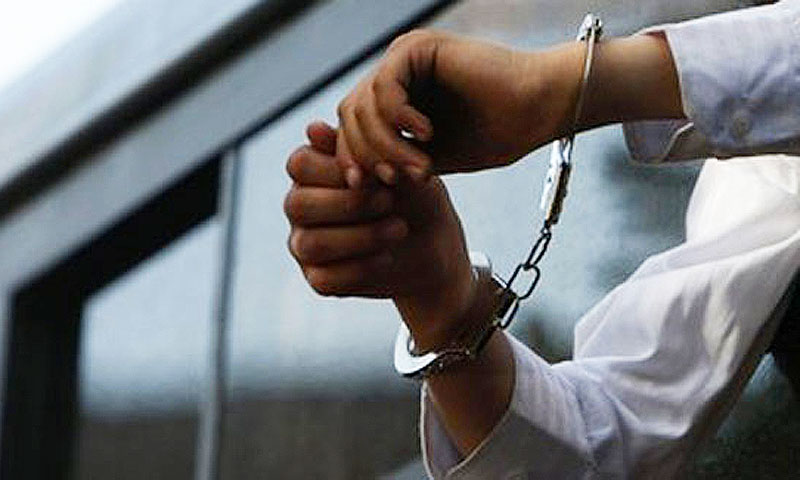
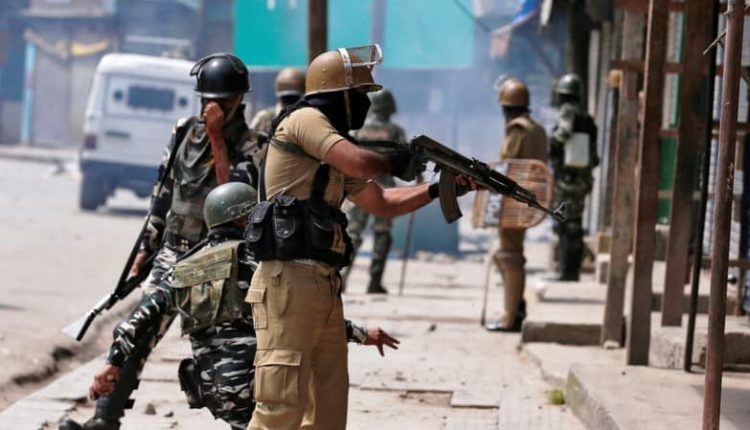
Authorities frequently summon journalists for questioning and demand disclosure of sources, the report says. Many face charges over their reports or social media activity.
Officials often label journalists as “anti-national,” leading to legal cases and prolonged harassment. Laws such as the Public Safety Act and anti-terror provisions are widely used against media workers.
The report cites cases like Irfan Mehraj, who faced extended detention. It also notes that authorities have shut down or taken control of press clubs and media offices.
Calls for UN Intervention
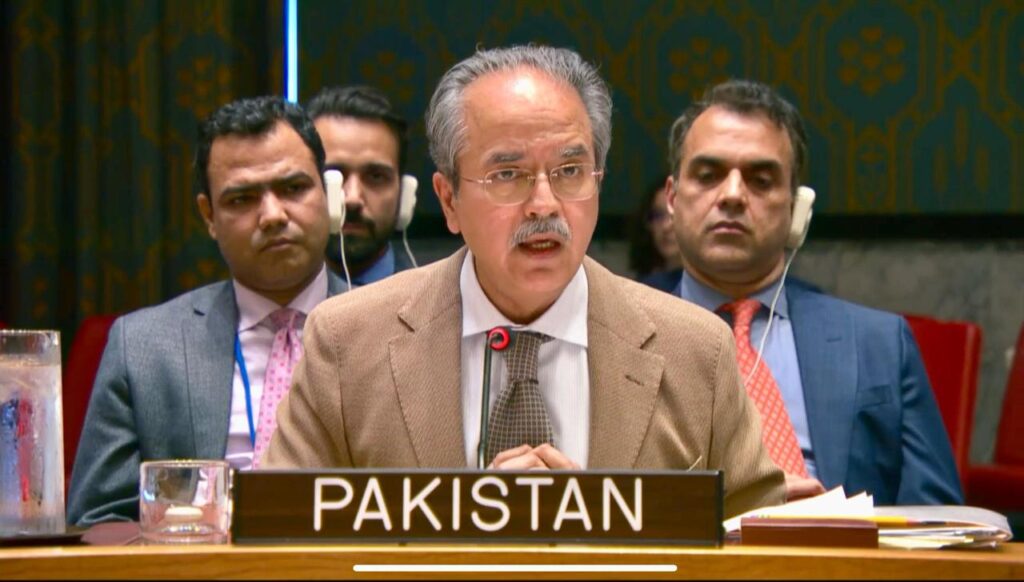
A spokesman for the All Parties Hurriyat Conference, Abdul Rashid Minhas, urged the United Nations to take notice of the deteriorating media environment.
Meanwhile, Farooq Abdullah, president of the Jammu and Kashmir National Conference, condemned the restrictions. He said democracy cannot function without a free press.
Regional and Structural Concerns Grow
Leaders in Kargil criticized Ladakh’s reorganization. They described it as discriminatory and accused authorities of dividing the region along religious lines.
They argued that officials ignored the 2011 census data during district formation. The census showed a Muslim population of 46.40 percent and a Buddhist population of 39.65 percent.
Earthquake Risk Adds to Crisis
Experts have also warned of a major earthquake threat in the region. They say poor infrastructure could endanger millions of lives.
Shakeel Ahmad Romshoo, Vice Chancellor of the Islamic University of Science and Technology, said preparedness remains inadequate.
He noted that nearly 99 percent of 250,000 homes in Srinagar cannot withstand strong earthquakes.