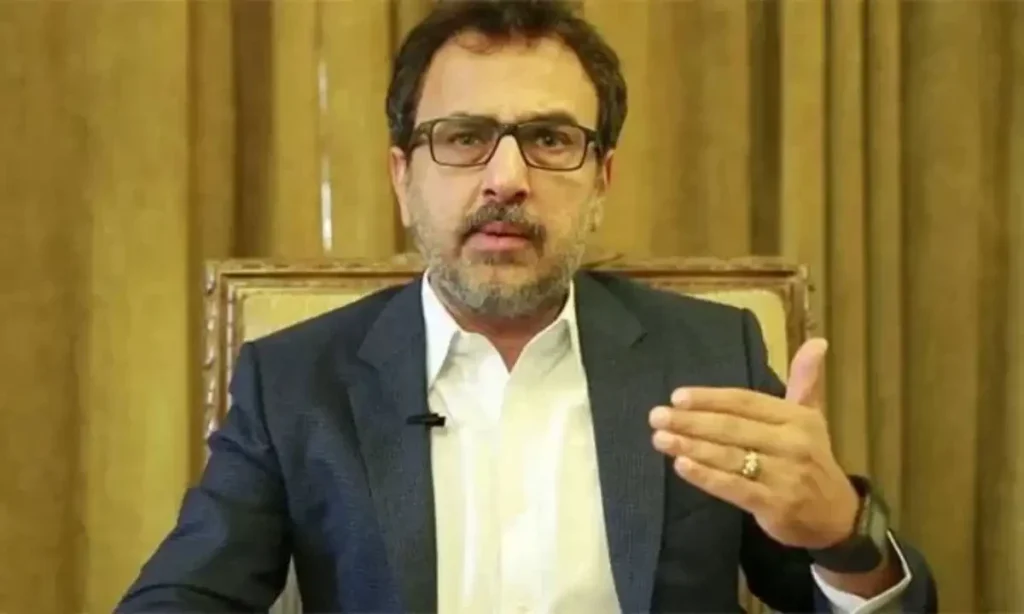
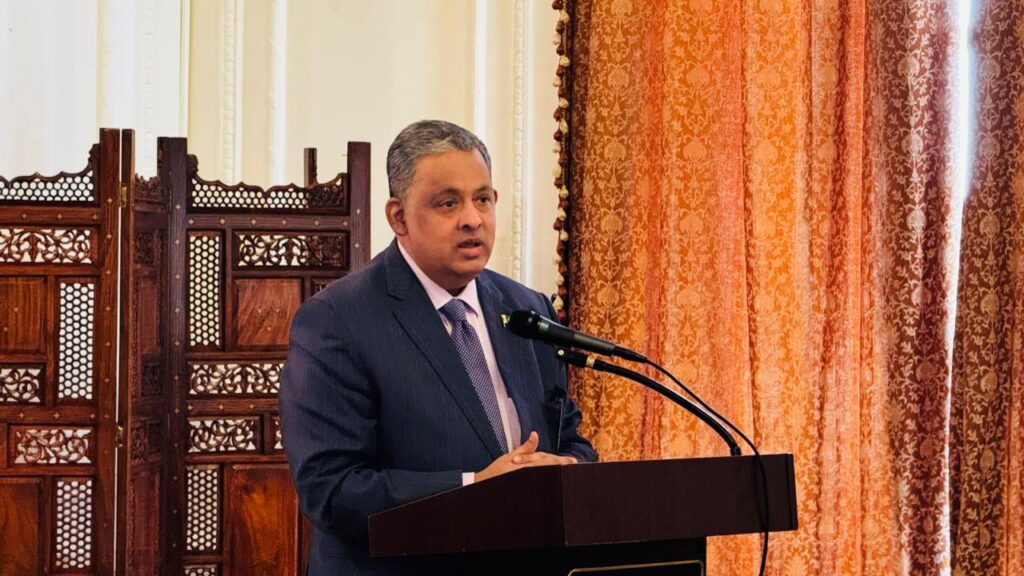
WASHINGTON: Pakistan’s Ambassador to the United States Rizwan Saeed Sheikh has said that not only Pakistan’s geography but also its present and future are closely linked with the Middle East.
He was delivering a keynote address at the fourth annual Pak-US conference held at Georgetown University. The ambassador spoke about Pakistan’s geopolitical and economic significance, its constructive role in promoting regional and global peace and its future potential.
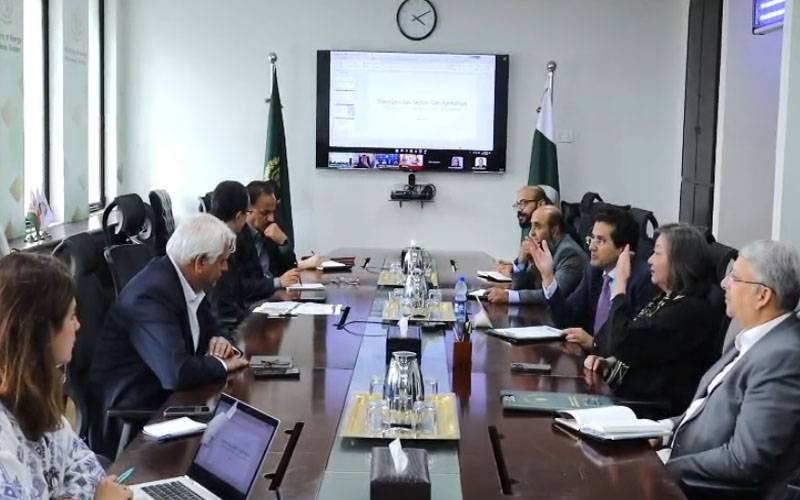
The conference brought together members of leading American think tanks, former diplomats, and experts who discussed Pakistan’s diverse challenges, its economic trajectory, and its evolving role on the global stage.
The ambassador said that Pakistan’s geographical location remains of critical importance, noting that the country has played a direct and indirect role in regional and global affairs for over eight decades.
Despite challenges arising from both eastern and western borders, as well as difficult circumstances, Pakistan has consistently contributed positively to peace and stability.
He said Pakistan’s role in promoting regional and global peace is widely recognized, adding that the country has remained at the forefront of peace efforts.
Referring to the ongoing US-Iran tensions, he stated that Pakistan’s facilitation efforts should be viewed in the context of its successful diplomatic history.
He noted that the confidence expressed by both the concerned parties and regional countries in Pakistan’s role is a matter of pride and satisfaction. Pakistan, he added, is playing its part with sincerity, responsibility, and a spirit of goodwill.
Highlighting a shift in foreign policy priorities, the ambassador said Pakistan is now focusing more on geo-economics rather than geopolitics. He pointed out that the country can serve as a key economic corridor connecting China, Central Asia, and the Gulf region.
He also remarked that recent developments in the Strait of Hormuz have further underscored Pakistan’s strategic importance in terms of trade routes and connectivity.
The ambassador acknowledged that while Pakistan’s geography and history have enhanced its importance, various challenges have also impacted its economic growth. However, he reaffirmed that Pakistan, as one of the world’s oldest civilizations, will continue to play a constructive role in regional peace and economic development.
Recalling the vision of Mohammad Ali Jinnah, he said the founder of Pakistan had envisioned the country as a global center, a vision that remains relevant and continues to guide national aspirations.
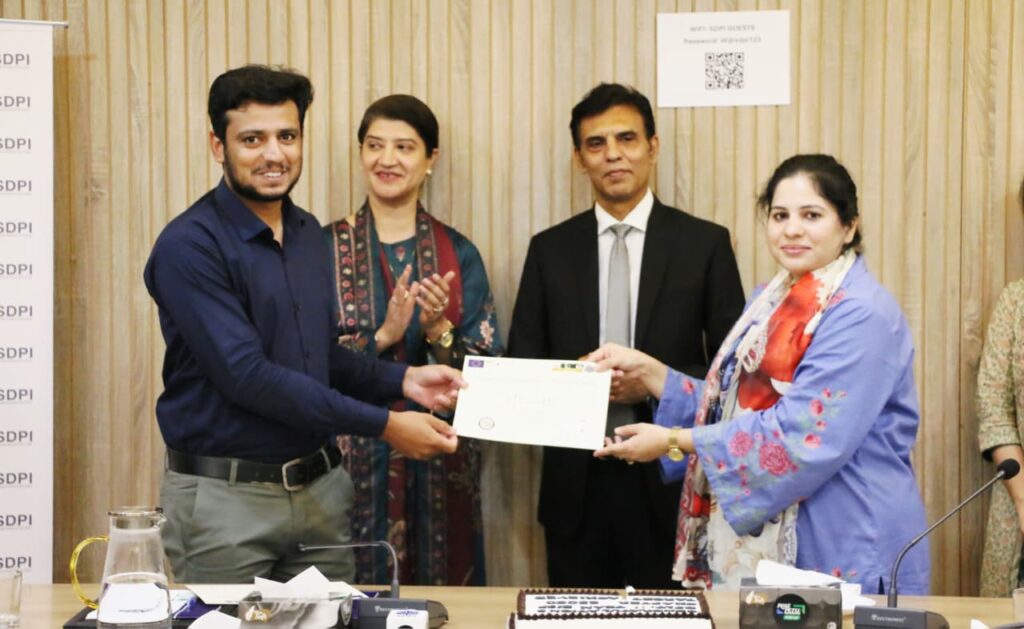
He also appreciated the organizers of the conference, Pakistani students at Georgetown University, particularly Rae Hassan Masood Kharl, and the president of the International Academy of Letters, Ghazanfar Hashmi, for successfully hosting the event.