
ISLAMABAD: Electricity loadshedding hours have begun to rise across the country as demand increases with the onset of warmer weather, according to a statement issued by the Power Division spokesperson.
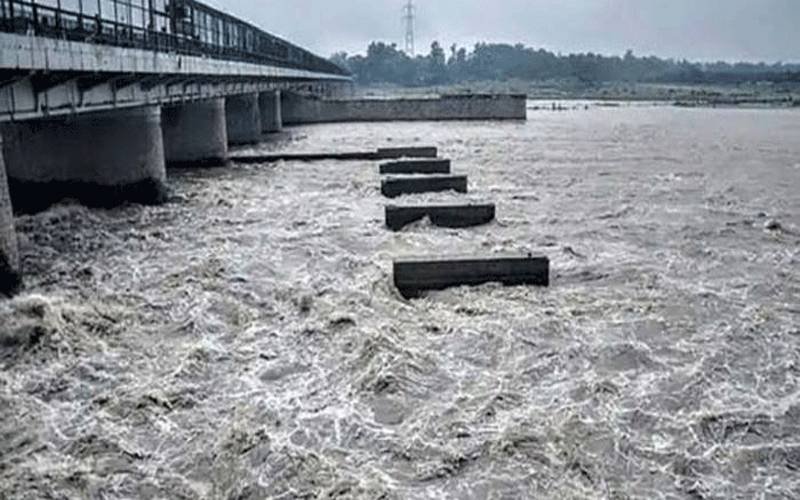
The spokesperson said that during peak hours last night, load management of around two to two-and-a-half hours was carried out due to a surge in electricity demand. Hydropower generation remains significantly below capacity, producing nearly 6,000 megawatts less than its full potential of 11,500 megawatts, primarily due to reduced water demand from provinces.
Officials noted that around 4,950 megawatts of electricity was generated from hydel sources during peak hours through water discharge from dams. Meanwhile, improved grid stability enabled the transmission of approximately 400 megawatts of electricity from the southern region to central areas.
The statement added that power distribution companies will continue economic load management on high-loss feeders in line with policy. However, authorities clarified that this form of load management is separate from peak-time outages.
The spokesperson further highlighted that the shortage of liquefied natural gas (LNG) is preventing around 5,500 megawatts of electricity generation from thermal power plants. Authorities expressed hope that improved LNG availability would help eliminate peak-time load shedding.
Consumers have been urged to adopt energy-saving practices, especially during nighttime, to help manage rising demand amid ongoing supply constraints driven by global conditions and reduced water availability.