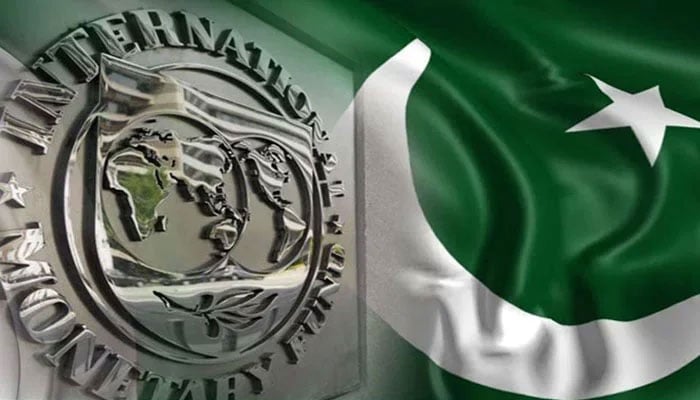
ISLAMABAD: Fresh conditions from the International Monetary Fund have sparked concerns of rising inflation in Pakistan as budget negotiations enter a crucial phase.
Officials from the Finance Ministry have begun sharing key economic data with the IMF mission as part of technical discussions for the upcoming budget. Sources indicate that new tax measures exceeding Rs400 billion are under consideration, with Ishaq Dar leading a high-level committee tasked with finalizing proposals.
The IMF has expressed concern over a tax shortfall of Rs683 billion and urged authorities to accelerate the implementation of agricultural income tax across all provinces. It has also called for a reassessment of key economic targets, noting that the projected growth rate of 4.2% may not be achieved.
In addition, the IMF has recommended passing the impact of global oil price increases directly to consumers, a move likely to push fuel prices—and overall inflation—higher. Reports suggest that over Rs1.33 trillion has already been collected through petroleum levy, against a target of Rs1.468 trillion.
The lender has emphasized stricter fiscal discipline and urged the government to increase spending on health, education, infrastructure, and social protection. It has recommended allocating at least 3% of GDP to health and education sectors.
With no flexibility expected on the National Fiscal Pact, analysts warn that while these measures aim to stabilize the economy, they could place additional financial pressure on the public in the short term.